What "Turnkey ADU" Should Really Mean for You
Turnkey ADU gets thrown around a lot in California, and it can be very confusing. Many homeowners hear the phrase and assume it means absolutely everything is included, from drawings to the last light bulb. Then the contract shows up and there are gaps, exclusions, and a long list of things that are suddenly "by owner."
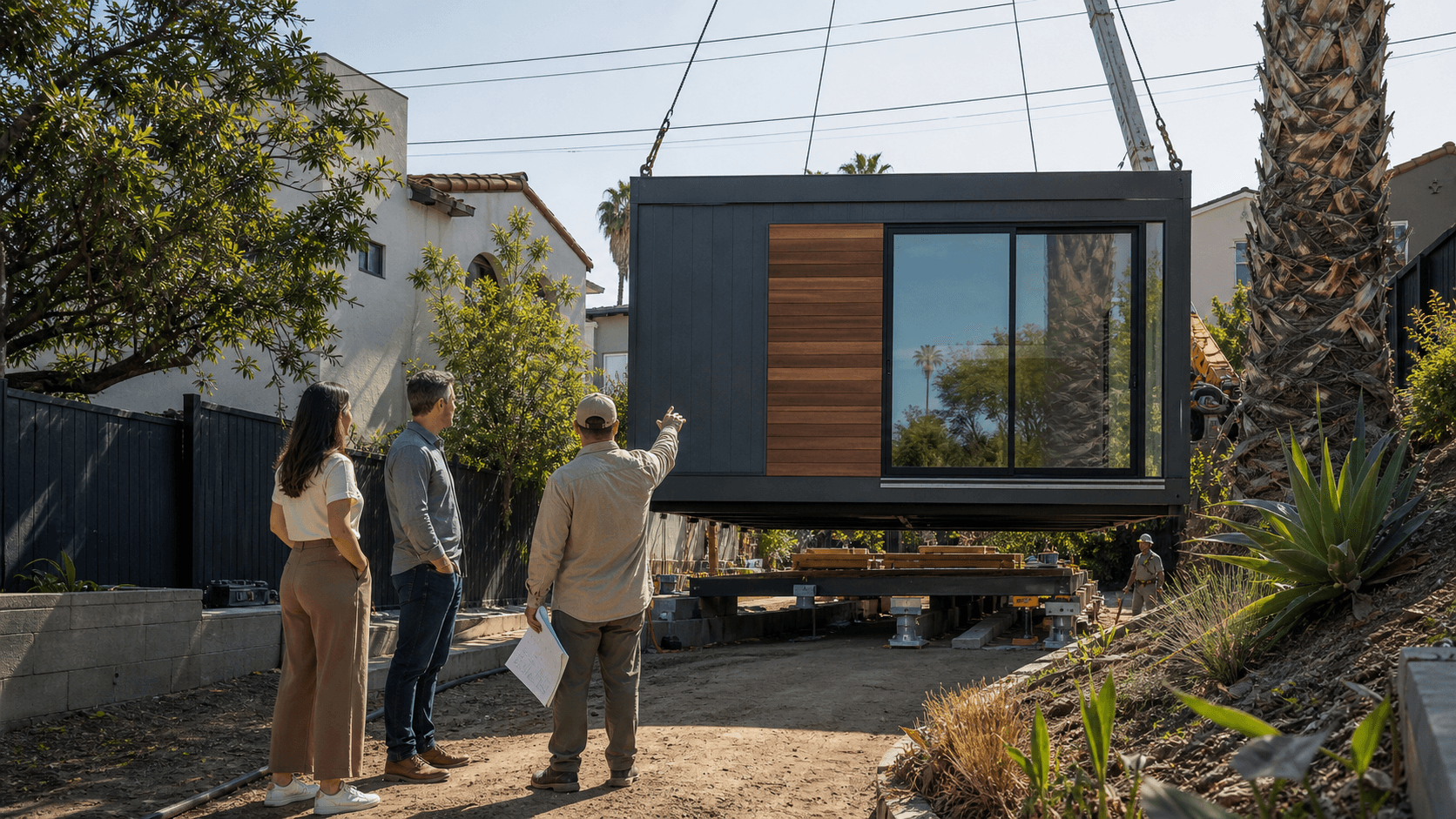
When we talk about a true turnkey ADU, we mean a backyard unit that is handled from start to finish. That includes design, permitting, site work, utilities, construction, finishes, inspections, and final occupancy. In simple terms, you should be able to walk in with your keys, turn on the lights, and start collecting rent or housing family without scrambling to finish the missing pieces.
Our goal here is to give you a practical checklist so you can decode what is actually included in turnkey ADU construction services. This helps you compare builders fairly, line up your expectations, and protect yourself before you sign anything. Since we are in the fall season in California, this is also prime time for planning, so your ADU can move into construction as soon as city schedules and daylight hours line up early next year.
Mapping the Real Scope of a Turnkey ADU Project
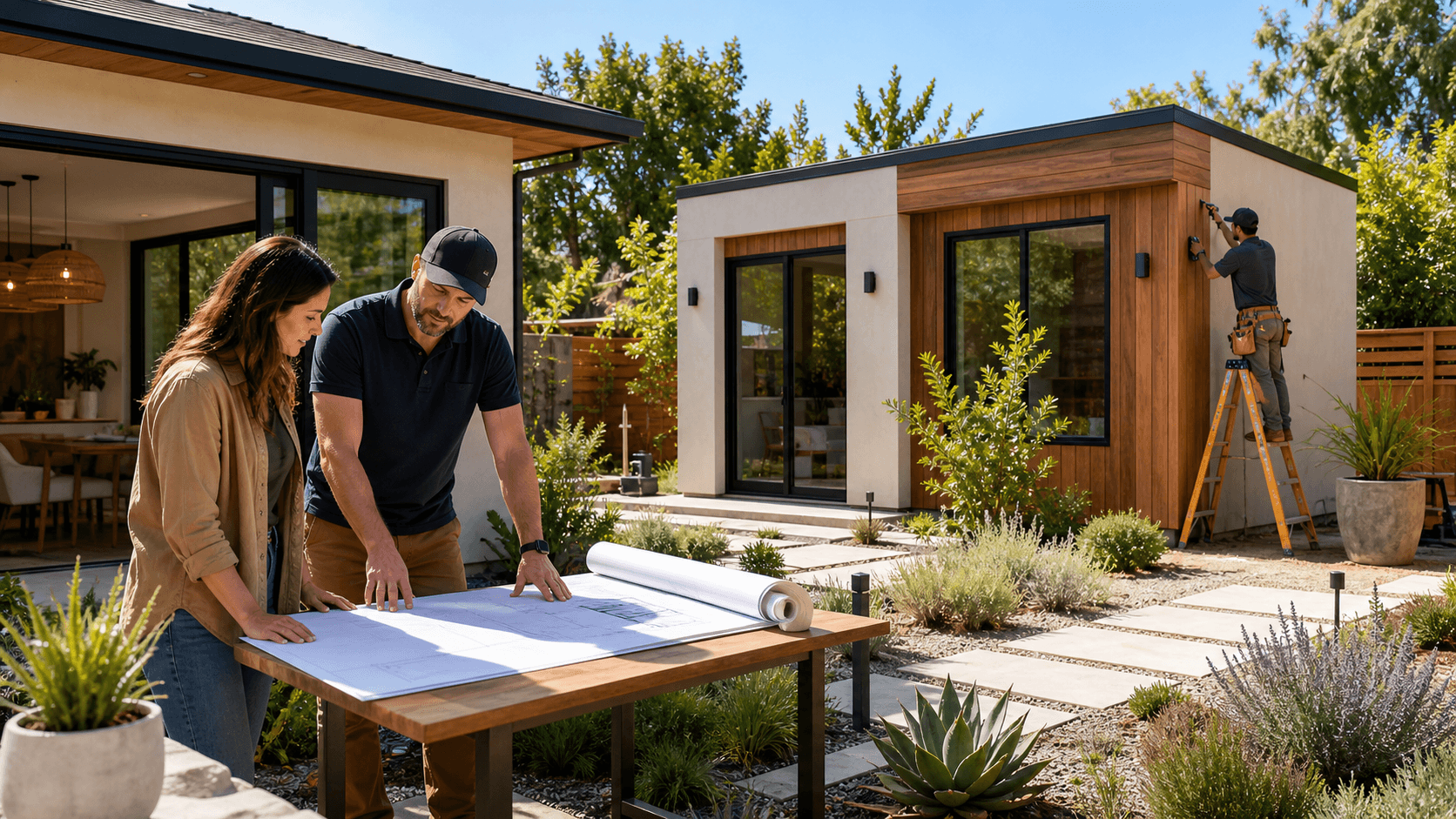
A real turnkey package should cover much more than pouring a slab and building a box. It should start with planning your project correctly on your specific lot. A serious turnkey provider should manage the full front-end process for you, including feasibility and zoning review, in-house design and layout that matches your goals, structural and engineering coordination, energy and Title 24 compliance documents, and city or county permitting. If your property has an HOA or special utility requirements, that coordination should be handled as part of the plan as well, including working with power, water, and sewer providers.
Where many homeowners get surprised is site work and utilities. A proposal may list a full ADU, but skip the cost to actually connect it to the real world. Some site and utility items are often excluded or only loosely described, so it's important to see them clearly addressed:
- Grading and soil export
- Tree removal or protection
- Retaining walls or drainage work
- Sewer line extensions or replacement
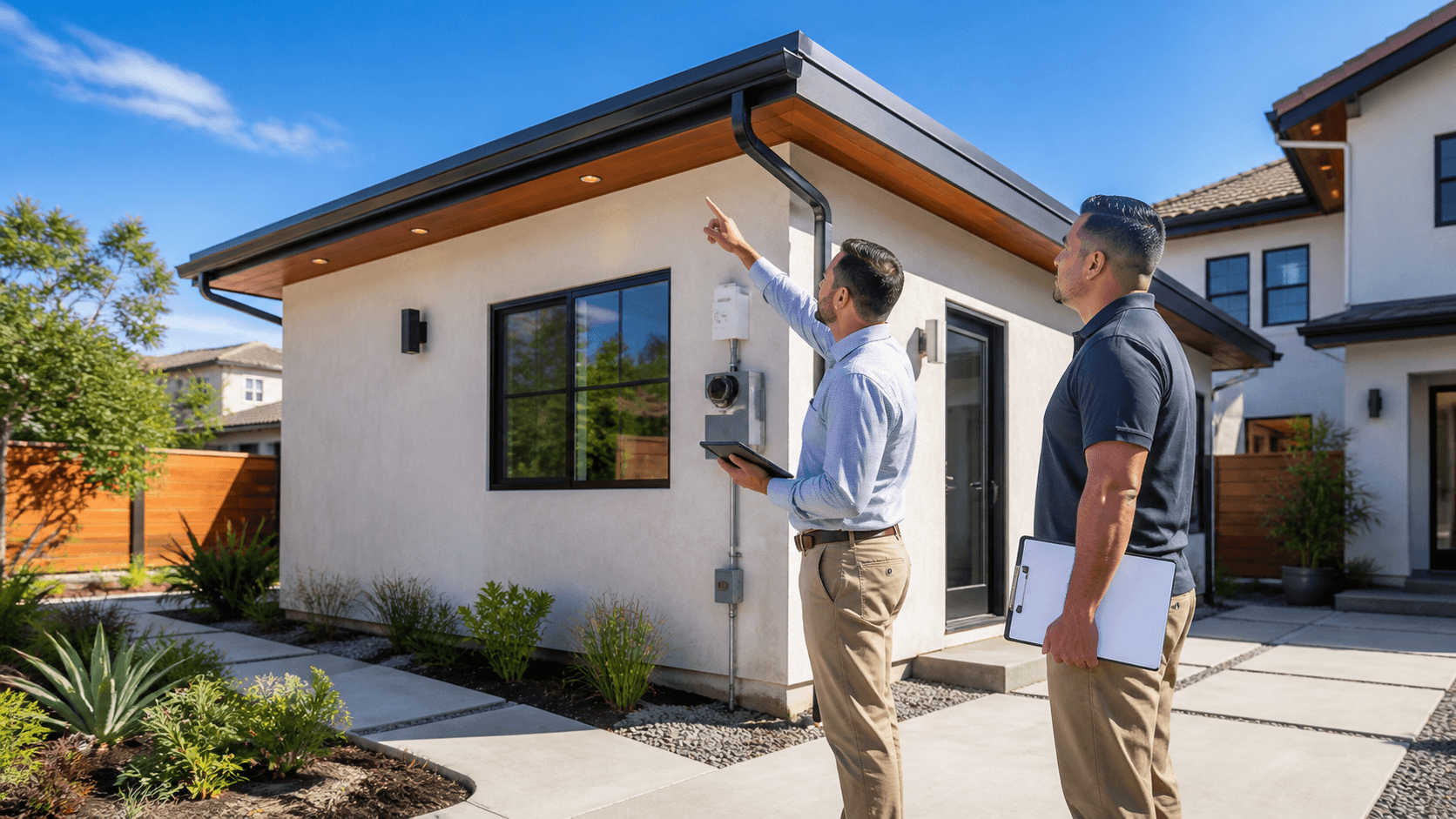
- Main electrical panel upgrades or new subpanels
- Gas line relocation or upgrades
- Trenching for all utilities across the yard
- City or utility connection fees
You want each of these either clearly included or clearly marked as an allowance or a possible extra. If a contract just says "utilities by owner" or "standard site work included," ask for a written scope that explains what that means in plain language.
Finish level is another big part of scope. Some builders use "turnkey" but include very basic finishes, while others focus on higher-end or "luxury" details that help you attract better tenants and higher rent. Make sure the contract clearly defines what's included across key finish categories:
- Windows and doors
- Roofing and exterior siding
- Kitchen cabinets and countertops
- Bathroom tile and fixtures
- Flooring throughout
- Appliance package
- HVAC systems and water heating
We like to define these in writing, so there is no guesswork about what "standard" or "luxury" means. You should see specific product types, finish levels, and what counts as an upgrade, all laid out before framing ever begins.
Reading Your ADU Contract Like a Pro
Once you understand the scope, the contract is where it all gets locked in. The structure of the agreement can make your ADU feel calm and clear, or stressful and confusing. A well-built California ADU construction contract should spell out the contract type (usually fixed-price or cost-plus), include a detailed scope-of-work attachment that matches your proposal, and use a payment schedule tied to real milestones and inspections. It should also provide a realistic project timeline with an estimated start and completion window, along with a clear, written change-order process.
Red flags are usually less about one single clause and more about patterns of vagueness or one-sided terms. Watch for the following:
- Vague "builder's discretion" language for materials or finishes
- Open-ended allowances with no clear price caps
- Escalation clauses that allow wide price jumps without limits
- No mention of completion expectations or consequences for extreme delays
You also want to see consumer protections that are standard in California. This includes proper contractor license information, proof of insurance, and bonding where required. Lien releases should be part of your payment process so you are protected as work moves forward. A clear right-to-cancel timeline and simple language around disputes also signal that a company is trying to be fair and transparent, not hide behind fine print.
Reputable turnkey ADU construction services are usually very open about how their contracts work. If it feels like pulling teeth to get straight answers or sample documents, listen to that feeling.
Allowances, Upgrades, and Hidden Out-of-Pocket Costs
Allowances are one of the biggest sources of surprise during ADU projects. In simple terms, an allowance is a budget placeholder for something the builder has not fully defined yet, such as tile, lighting, or appliances. On paper, it keeps the starting price lower. In real life, it can turn into a big bill if your tastes do not match the small allowance amount. Common allowance categories include:
- Tile, stone, or specialty flooring
- Plumbing and lighting fixtures
- Interior and exterior light packages
- Appliances
- Closet systems or built-ins
To protect yourself, you want to confirm what "included" actually buys you and how upgrades are priced before selections are finalized. Ask to see the following so you can make decisions with real numbers:
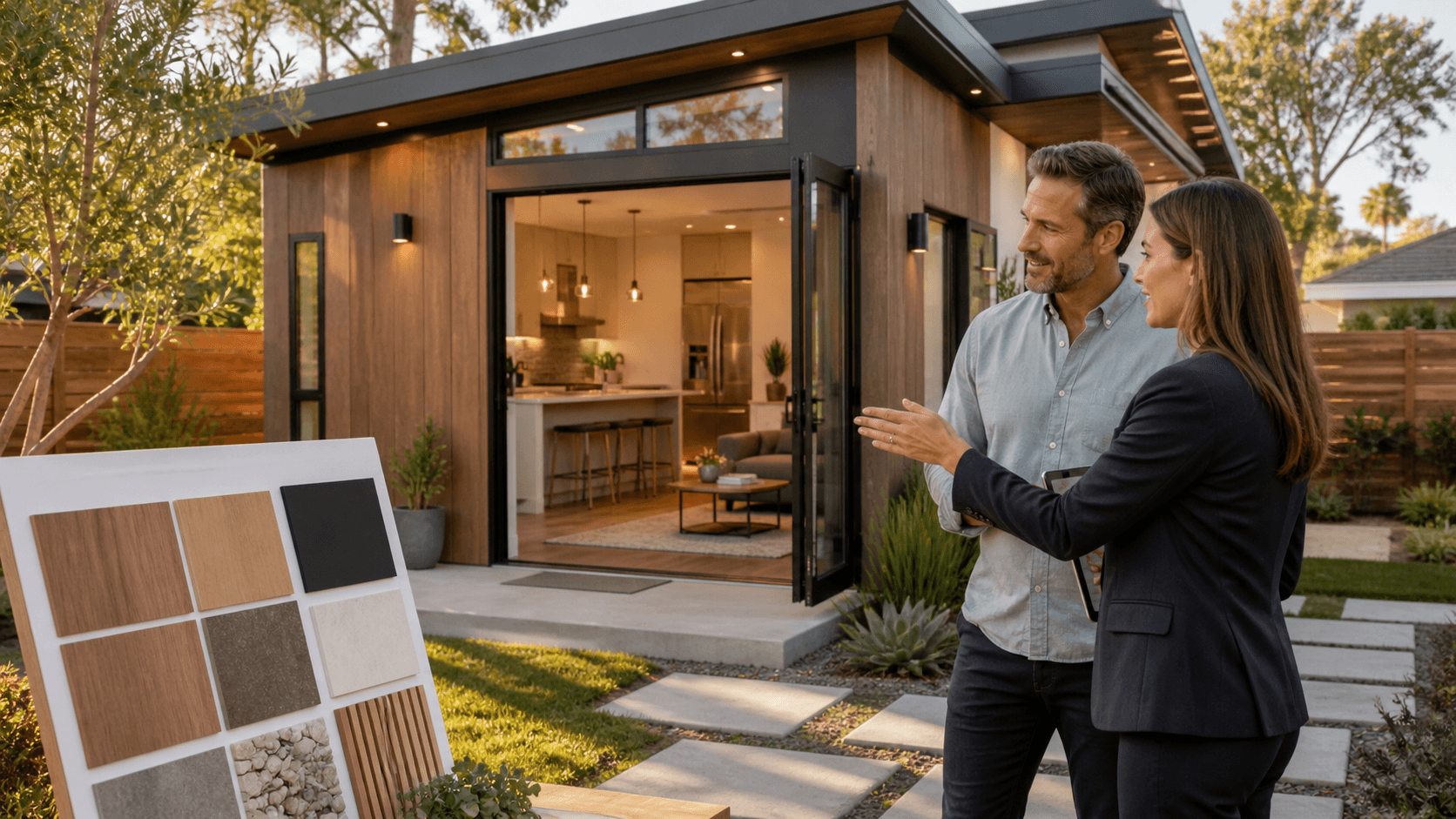
- Actual samples of materials that are "included"
- Current vendor price sheets for the included lines
- A printed menu of typical upgrades and their cost ranges
- A written process for approving changes before anything is ordered
This way, you are not picking a tile in a showroom only to learn later it is double the allowance and already installed.
Also pay close attention to items that are often not included in the headline "turnkey" price but still matter for a finished, livable space. A true turnkey provider should either include these, clearly list them as separate line items, or explain what they will help coordinate even if you pay those costs directly. Common examples include:
- City impact fees and school fees
- Utility connection or capacity fees
- Landscaping, irrigation, and new plants
- Fencing or privacy screens
- Driveways, walkways, or parking pads
- Window coverings and furniture
The key is that nothing big is a surprise.
Warranty, Service, and Tenant-Ready Delivery
Once construction is done, the way your ADU is backed up and serviced matters almost as much as how it was built. You should ask what warranties apply, how long each lasts, what is covered, and how claims are handled, ideally with clear, written terms rather than verbal promises. Warranties often fall into these main categories:
- Structural coverage for the main building shell
- Systems coverage for plumbing, electrical, and HVAC
- Manufacturer warranties for windows, roofing, and appliances
- A builder workmanship warranty that covers fit and finish issues
Good post-completion support should feel organized and easy to navigate. You want to know who to call, what documentation you will receive, and how the builder handles punch-list items after final inspection. Strong support typically includes:
- A final punch-list walkthrough to capture any small fixes
- A single point of contact for warranty and service calls
- A folder or digital package with plans, permits, and inspection records
- Manuals and warranty cards for all installed equipment and appliances
For a luxury backyard unit that is truly tenant-ready, you should expect a space that feels like a complete small home, not a shell. That typically means the essentials are fully finished and functional, including:
- Full kitchen with cabinets, countertops, and appliances
- Full bathroom with finished shower or tub, not just rough plumbing
- Proper heating and cooling
- Basic window coverings or the ability to add them easily
- Exterior lighting and Wi-Fi-ready infrastructure
At One Stop ADU Center, we focus on a turnkey model that can even extend to tenant placement and rental setup support, so your unit is ready to earn as soon as keys change hands.
Your ADU Due Diligence Checklist Before You Sign
Before you commit to any builder, it helps to have a simple checklist. Use it to compare turnkey ADU construction services side by side, so you are comparing similar scope and quality. At a minimum, you should:
- Verify contractor license, insurance, and relevant registrations
- Request a detailed written scope-of-work that matches your lot
- Ask for a line-item contract, including allowances and exclusions
- Review the payment schedule, timeline, and change-order rules
- See a sample warranty package, including what happens after move-in
Since this is the fall season in California, many homeowners use this time for design, permitting, and financing approval. Cities often work through submissions over the winter months. Then, when days get longer and schedules open up, site work can begin and move into framing and finishes without long gaps. Planning now helps you aim for your ADU to be ready closer to peak rental interest that often comes with new school terms, job changes, and families planning their moves.
At One Stop ADU Center, we are happy to walk your property, talk through your goals for rental income or multigenerational living, and prepare a clear, written turnkey proposal. When you understand the full scope, contract terms, allowances, and warranty in plain language, you can move forward with real confidence.
Get Started With Your Project Today
If you are ready to add value, flexibility, and rental potential to your property, our team at One Stop ADU Center is here to guide you through every step. Explore our turnkey ADU construction services to see how we handle design, permits, and construction in one streamlined process. We will review your goals, evaluate your property, and outline a clear path and timeline tailored to your needs. Reach out today so we can help you move from ideas to a fully built ADU with confidence.