Protect Your Investment Before You Sign Anything
Prefab ADUs are moving fast across California right now. As fall schedules fill up and people try to lock in new rental income before the holidays, many homeowners are racing to get a factory slot and an install date. The idea of a stylish backyard unit that shows up on a truck and is done in weeks sounds appealing.
However, prefab ADU installers are not all the same. Behind glossy renderings and "all-inclusive" sales language, there can be significant gaps in quality, planning, and follow-through. Those gaps can turn into delays, code problems, water intrusion, or units that are hard to finance or rent.
This due diligence checklist is designed to help you slow the process down just enough to ask the right questions. When you do, you protect your time, your yard, and your long-term return. The guidance below reflects common issues seen in California ADU projects and aims to help you make an informed decision before you sign anything with any prefab team.
Factory QA That Protects You Long After Move-In
Everything starts at the factory. If the structure, wiring, and plumbing are incorrect in the shop, those issues can persist for the life of the ADU.
Ask every prefab ADU installer for written quality standards, not just verbal promises. At a minimum, request:
- Proof of compliance with California Title 24 energy rules
- Structural engineering stamps for your city or county
- Confirmation of third-party inspections for life-safety items
- Any UL listings or certifications for electrical systems
Then go one level deeper. Ask to see the actual factory QA process. A serious manufacturer should be able to show:
- Production line checklists for each stage
- Moisture controls for lumber and stored materials
- Photos of framing, insulation, wiring, and plumbing before walls close
- Sign-offs from supervisors or inspectors at key milestones
Do not rely solely on brochures. Request a factory tour or, if that is not realistic, a current video walkthrough of a build in progress. Ask to see sample wall and roof sections so you understand how they handle insulation, waterproofing, and roof seams. Always ask for recent references from California homeowners, not just general out-of-state projects.
Clarify how change orders and defects are handled. If something is wrong in the module when it arrives, find out who pays to fix it and who covers rework, return trips, or resetting modules. Get those answers in writing before you approve the factory order.
Site Prep and Foundations That Keep You on Schedule
The fastest way to extend your timeline is poor site planning. Even in a warm climate, shorter daylight hours and holiday slowdowns can stretch "a few weeks" into months if the groundwork is not done correctly.
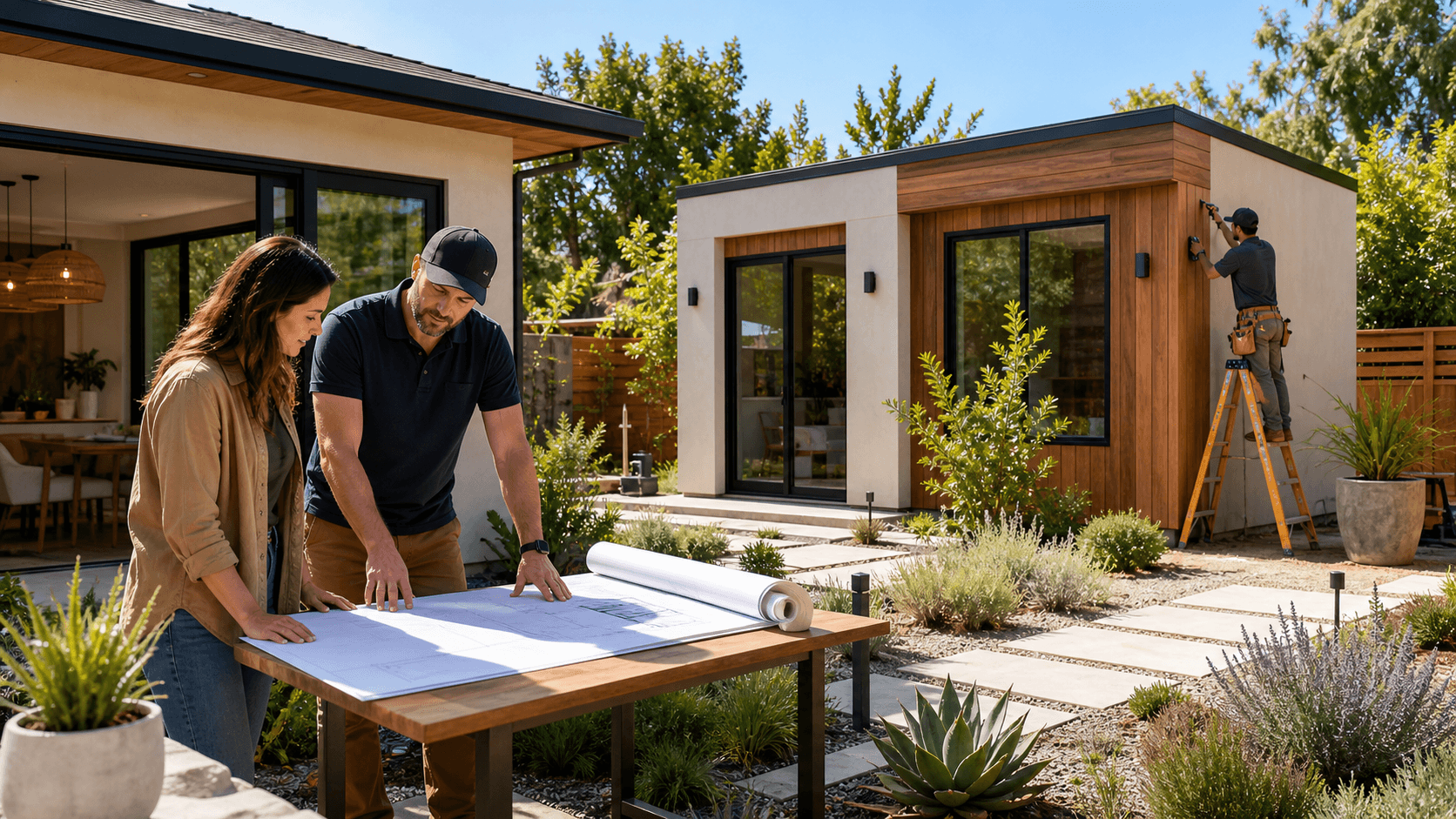
Start with a site-specific feasibility study. Before you sign a factory contract, you should know:
- Exact setbacks and height limits that apply to your lot
- Locations of existing utilities and any needed upgrades
- Soil conditions and drainage patterns
- Fire access and clear paths for emergency vehicles
- Crane or truck access into your yard or driveway
Your prefab ADU installer should coordinate stamped foundation plans from a licensed engineer who understands your soil and seismic zone. If you are on a hillside or have a high water table, this step matters even more. A generic "standard foundation" drawing is often not sufficient.
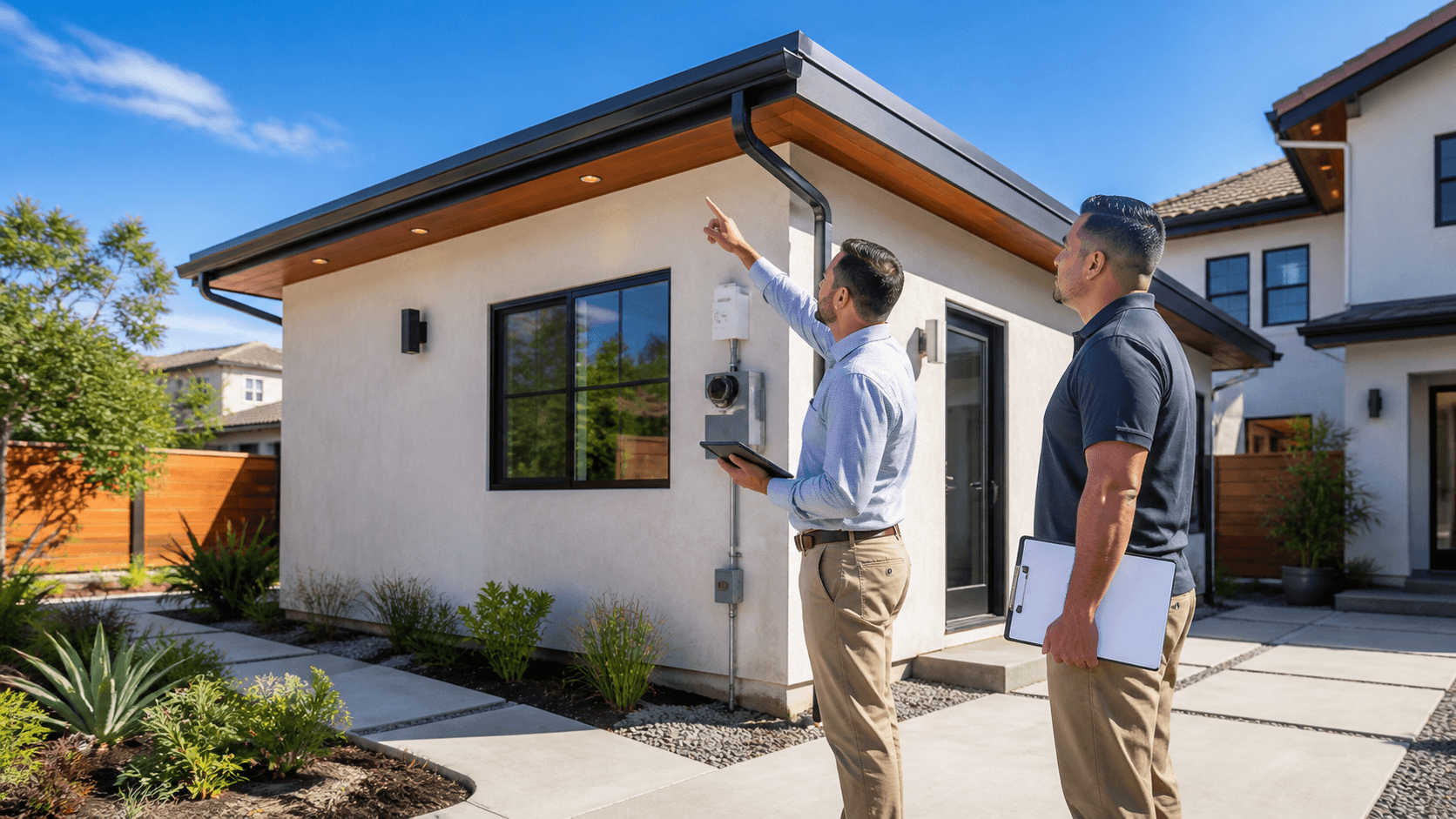
Next, clarify who is actually running permits and inspections. There can be separate reviews for:
- Building and structural work
- Grading and drainage
- Utility work with the gas, power, and water providers
- Special inspections, such as fire, coastal, or historic zones
If no one clearly owns this process, your project can sit while agencies process paperwork. The same applies to trenching and utilities. Ask in plain terms: Who is responsible for trenching, conduit, water lines, sewer tie-in, and service panel work? Where will the new lines run, and how will your yard, trees, and existing patios be protected?
Crane Set and Delivery Risks Most Owners Overlook
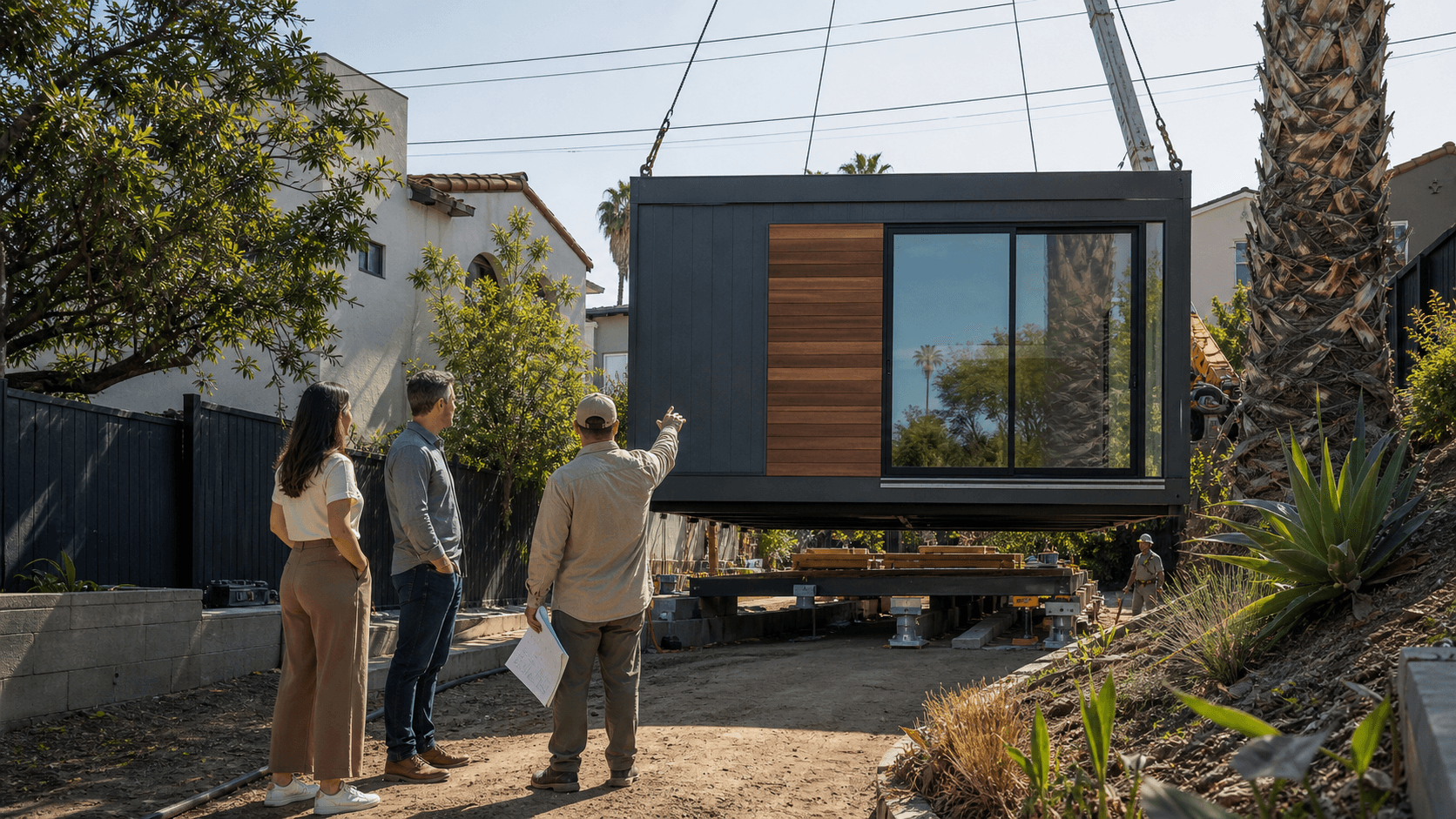
Delivery day can be exciting, but it is also where small planning gaps can cause significant stress. A smooth crane set starts weeks before the truck shows up.
Thorough prefab ADU installers will map out crane logistics early, including:
- Any needed street or lane closures
- Clearance around overhead power lines and trees
- Neighbor notifications and parking plans for trucks
- Seasonal weather risks like wind or rain that can delay a lift
Always ask for proof of insurance from both the installer and the crane company. You should see:
- General liability coverage
- Workers' compensation for crews on site
- Coverage for damage to your home, your ADU, and neighboring properties during staging and lifting
Then ask what happens when conditions are not perfect. Modules can arrive slightly out of level, nicked, or with small alignment issues. Get clear answers on:
- How much field adjustment can be done on site
- Who pays if a module must return to the factory
- How they document damage and agree on fixes before moving forward
Weather protection is another key point. If a crane set is interrupted by wind or sudden rain, clarify how a partially completed ADU will be secured. Ask about temporary roof covers, sealed seams, window and door protection, and site security until the unit is fully dried in and locked.
Warranty Fine Print and Red Flags to Catch Early
The real story of an ADU often emerges months or years after move in, when small cracks, squeaks, or leaks start to appear. That is when the warranty either protects you or falls short.
Break the warranty into three pieces so it is easier to understand:
- Structural coverage for the frame, foundation, and roof
- Systems coverage for plumbing, electrical, and HVAC
- Workmanship coverage for finishes, trim, and fit-and-finish issues
Ask how long each part lasts and who backs it: the factory, the installer, or both. Also ask exactly how to file a claim and what documentation is required.
Watch the exclusions very closely. Some contracts try to void coverage for broad reasons like "homeowner misuse" or "cosmetic issues." Push for clear language on items such as:
- Minor settling and door adjustments
- Hairline drywall cracks that affect rental appeal
- Water stains from small leaks at roof seams or windows
Transferability matters as well. If you sell your property later, being able to pass the warranty to the next owner can help with appraisal and make the ADU more attractive as an income source.
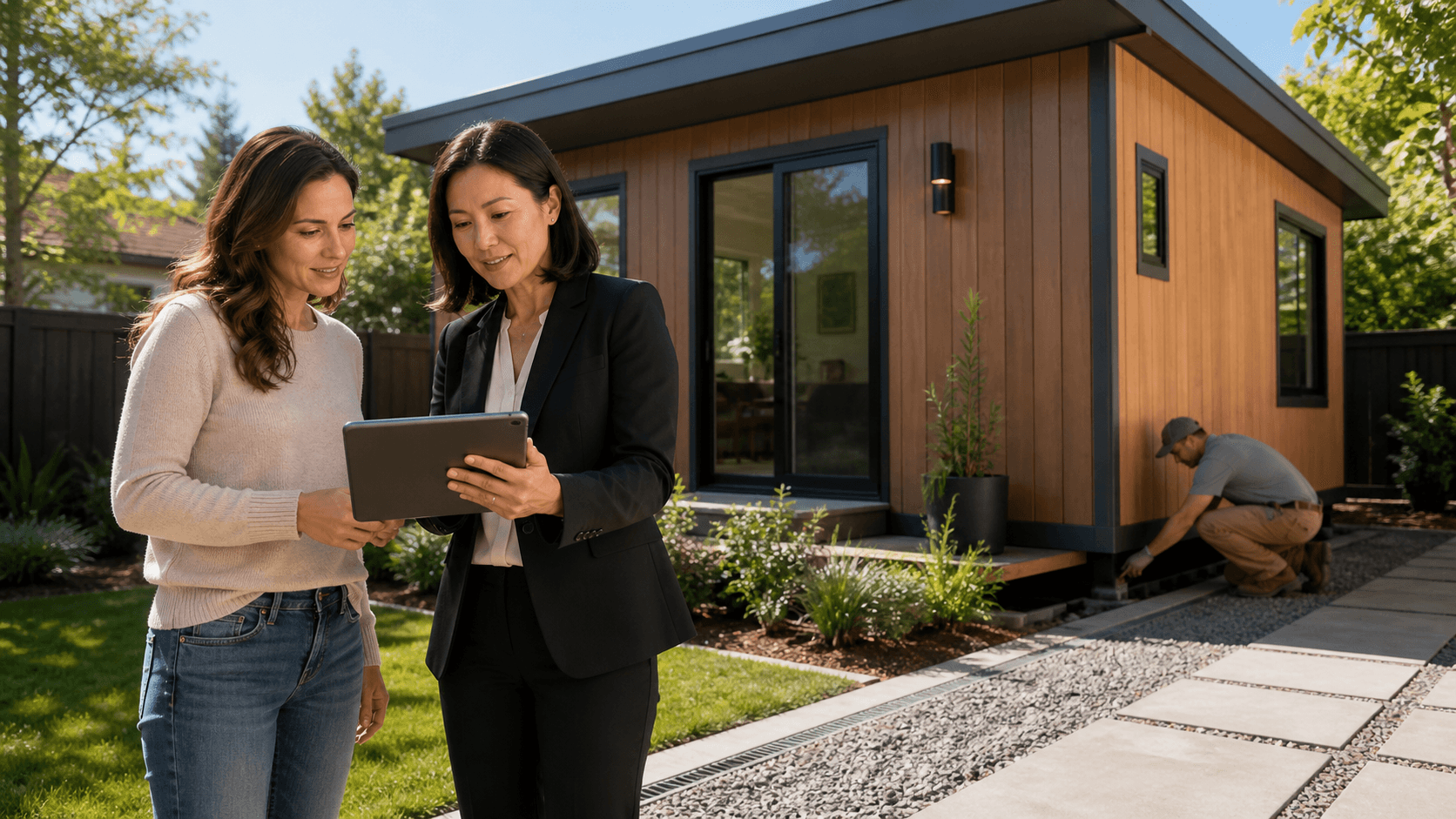
Finally, ask about service responsiveness. Determine whether there are local technicians or if you will be waiting for an out-of-area crew to travel in. Find out whether they schedule a standard check-in visit after move in to catch minor issues early, or if you must initiate every service call.
Choosing a True Turnkey Partner, Not Just a Box Seller
You are not just buying a box that shows up on a truck. You are building a long-term asset in your backyard, one that should stay compliant, rentable, and comfortable for years. Achieving that outcome requires a team that manages the entire process, not just one part of it.
When you interview prefab ADU installers, look for those who support the full lifecycle, including design, permitting, financing guidance, on-site construction, and help with renting the unit if that is your goal. Ask to speak with homeowners who built in your same city or even your same neighborhood. Listen for how the team handled inspector comments, delays, or unexpected site conditions.
Use this checklist as a script in your sales meetings. Bring it printed or on your phone, and notice which installers welcome your questions and support their answers with clear documents. A well-documented, transparent process can help ensure your prefab ADU feels less like a gamble and more like a thoughtful, steady plan for your property.
Get Started With Your Project Today
If you are ready to add value and livable space to your property, our team at One Stop ADU Center is here to guide you through every step. As experienced prefab ADU installers, we handle everything from initial planning to final installation so your project stays on time and on budget. Reach out today to discuss your goals, and we will help you turn your ADU idea into a finished, functional space.