Why LA Homeowners Are Rushing Into ADUs
Los Angeles is short on places to live, but people keep coming. Rents are high, resale inventory is tight, and many families want space for adult kids, aging parents, or guests. For a lot of homeowners, an ADU is starting to feel less like a side project and more like a core part of their long-term plan.
An ADU can bring in steady monthly rent and add value to the property. In many LA neighborhoods, a well-designed ADU can shift a home from "nice house" to "income property." That changes how buyers and lenders look at it and how you plan for the future.
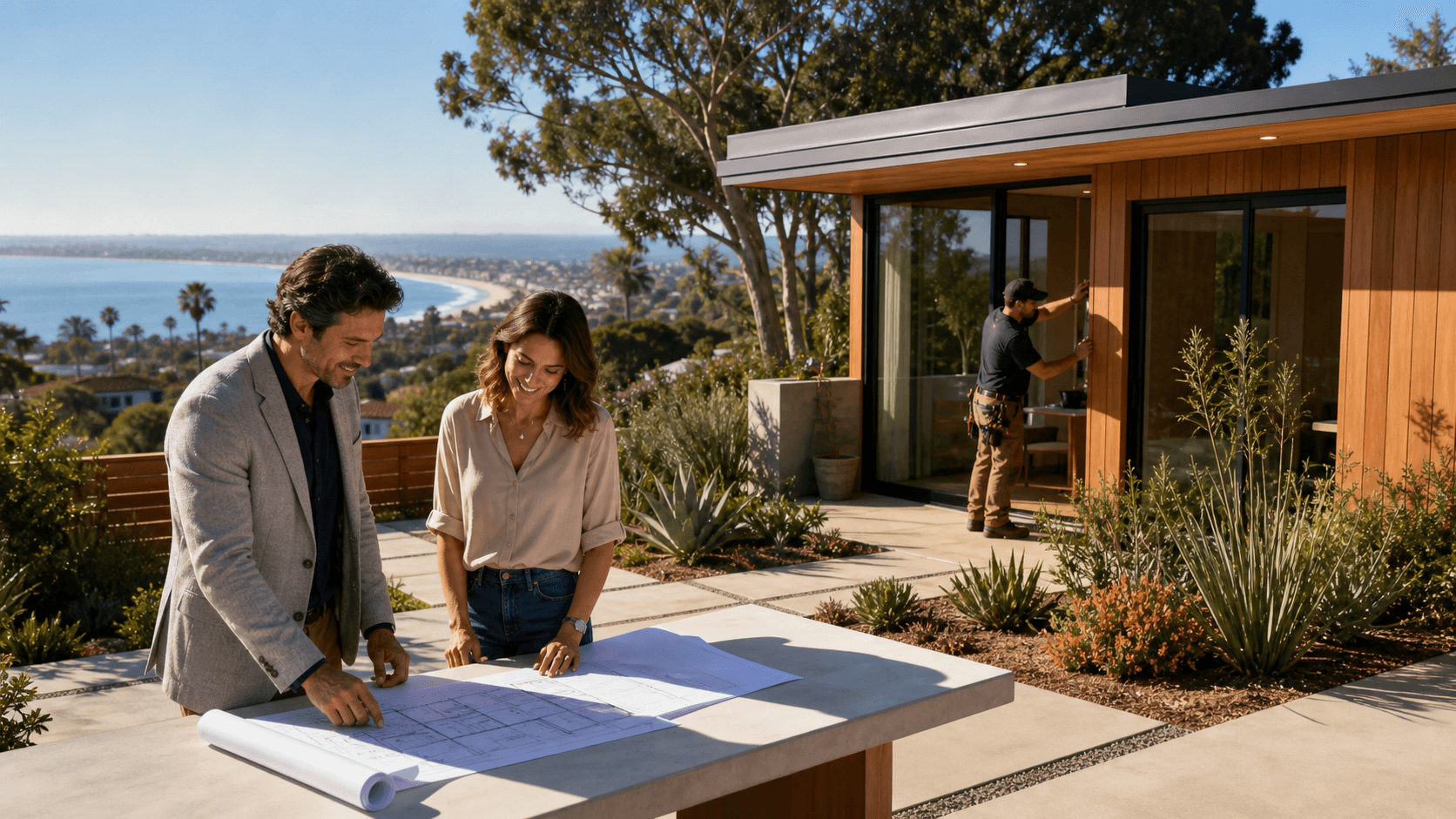
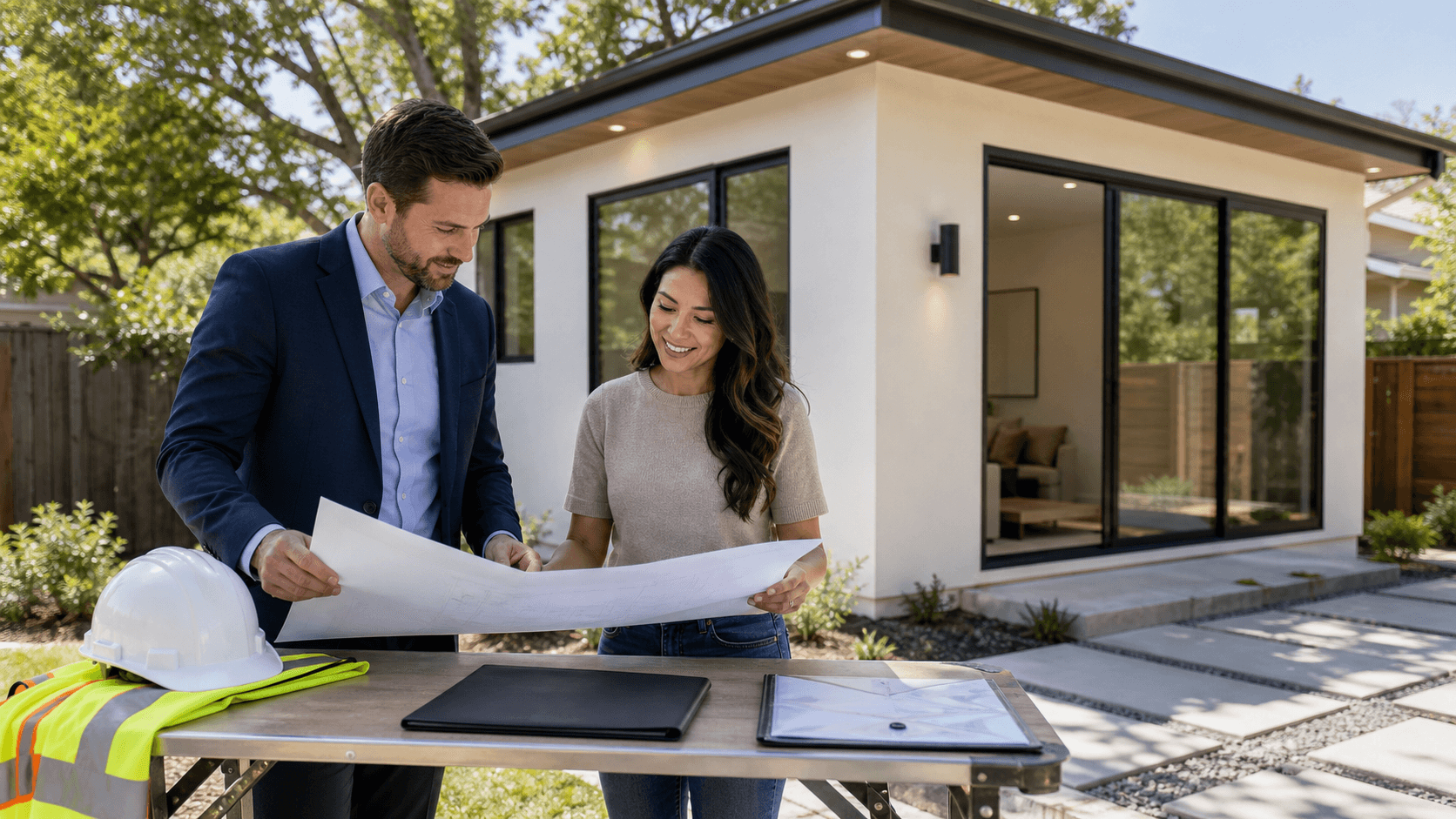
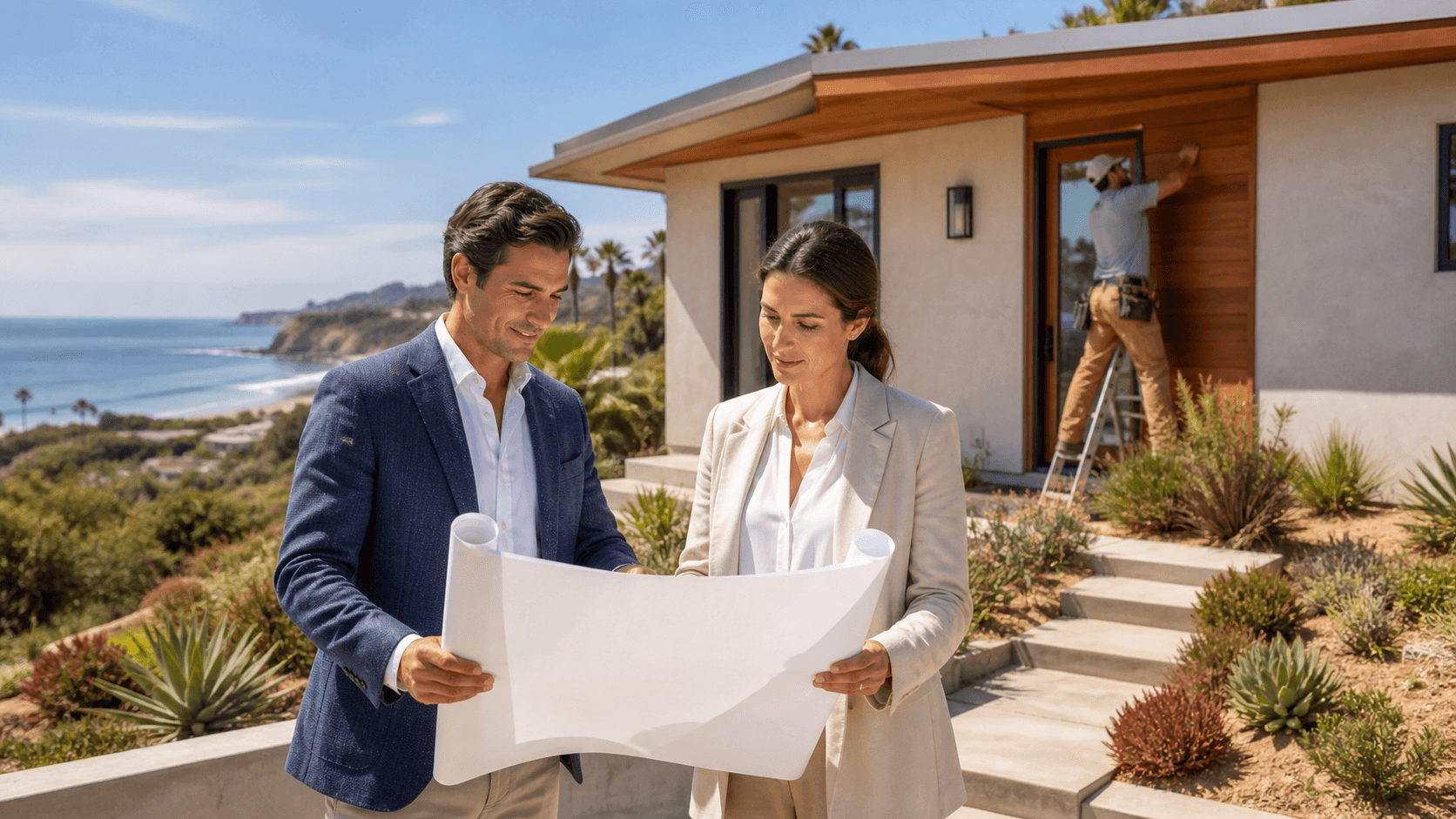
At the same time, more people are feeling burned out on juggling designers, permit offices, and busy contractors. That is why the turnkey ADU builder in Los Angeles has really taken off. One team handles design, financing help, permitting, construction, and even getting a tenant in place, so homeowners can focus on their lives, not project chaos.
The Current Numbers: Rates, Rents, and ROI for ADUs
Interest rates have settled compared to the wild swings of the past few years, but they still matter. When money costs more to borrow, every extra month of delay on a project becomes expensive. A slow build means you are paying interest without any rent coming in, and that can change the whole math of an ADU.
Across the city, ADUs in areas like the Westside, the Valley, the Eastside, and South LA are seeing strong demand from renters. People want private space, modern features, and a setup that feels separate from the main house. Studio, one-bedroom, and two-bedroom ADUs all have their audience, and most well-located units do not sit vacant for long once they hit the market.
When owners look at ROI, they usually think about three things:
- How long until rental income covers the upfront ADU cost
- How much positive cash flow they may see each month after expenses
- How much value the ADU likely adds if they sell or refinance
Turnkey ADUs can often help shorten the gap between the first loan draw and the first rent check, because the whole process is planned as one path. With a self-managed custom build, delays and missteps can stretch that payback period longer than expected.
Why Turnkey ADUs Are Surging Right Now
Three big shifts are pushing more LA homeowners toward turnkey ADU solutions instead of trying to piece everything together on their own.
First, interest rate sensitivity. When rates are higher, time is money in a very real way. Slow inspections, missing documents, or design changes can easily add months. A tighter turnkey process, with one team steering the schedule, can limit those gaps and help you start collecting rent sooner.
Second, labor scarcity and cost creep. Skilled trades are busy, and good crews book up fast. On loosely managed builds, owners often see:
- Bids that keep changing as plans shift
- Gaps where no one is on site for weeks
- Change orders that blow up the original budget
With one coordinated team, it is easier to lock in a clear scope of work, line up trades in the right order, and reduce surprises.
Third, permit and code complexity. ADU rules in LA city and LA County keep evolving. Things like height, setbacks, parking, fire rules, utility upgrades, and solar and Title 24 energy rules all layer together. When design, engineering, and permitting are all under one roof, decisions can be made with the full picture in mind instead of bouncing between separate pros who may not be in sync.
Who Benefits Most From Turnkey, Custom, and Prefab ADUs
Not every homeowner has the same goals or the same property, so the "best" ADU path can be different for each person.
Turnkey tends to be ideal for:
- Busy professionals who cannot babysit a project
- Older homeowners who want less disruption and stress
- Investors who care most about predictable timelines, financing structure, and fast rent-up
Custom design shines when you have a unique vision or special needs. If you are planning for long-term multigenerational living, want special accessibility features, or have a tricky lot, custom plans can squeeze more livable space and comfort out of the same footprint.
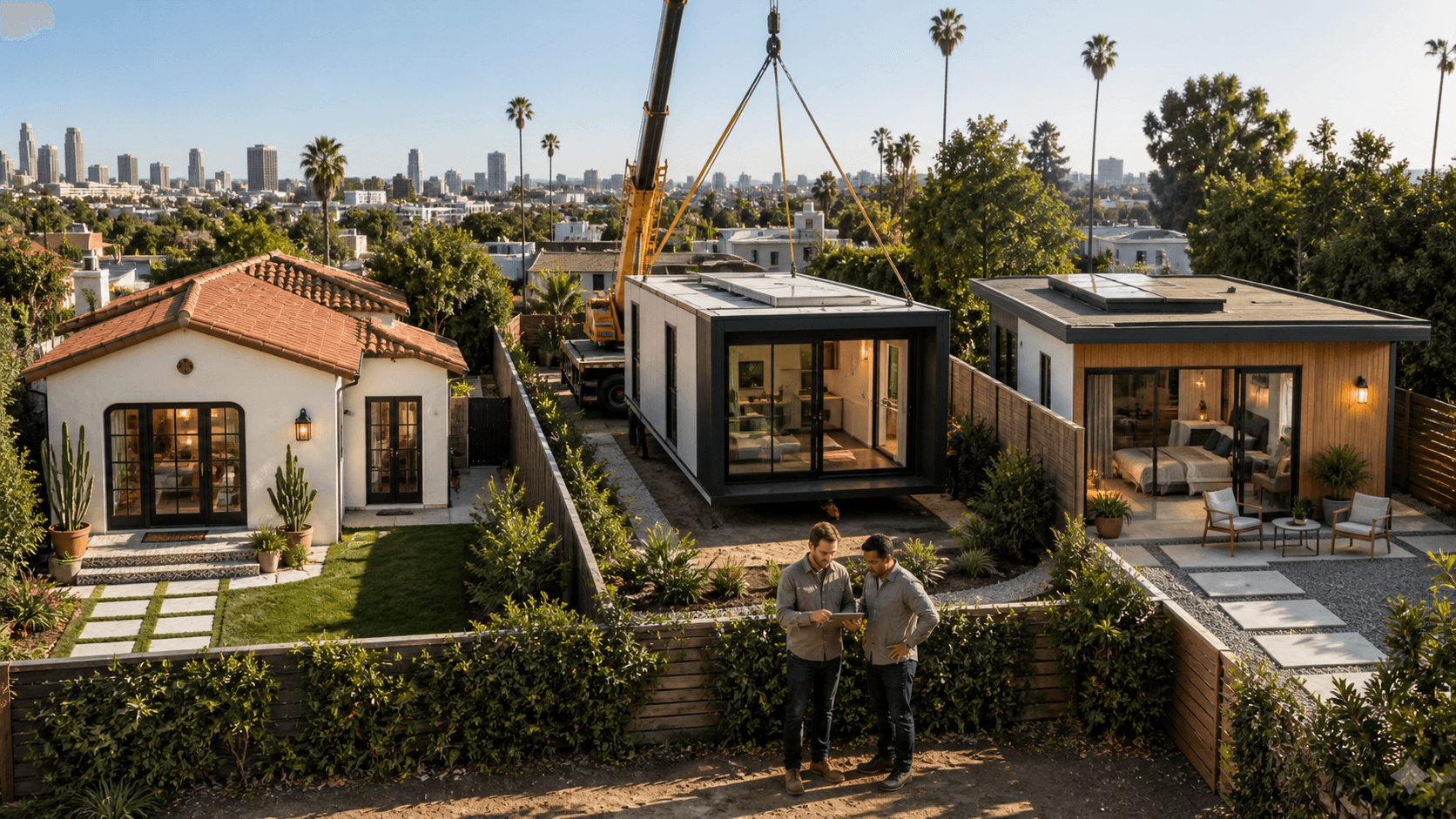
Prefab can be a good fit for fairly simple lots and owners who want a more standardized product. It often appeals to people who:
- Have tighter budgets and want a clear base package
- Are okay with limited layout choices
- Have a lot that is easy to access for cranes and deliveries
The tradeoff with prefab is in site work surprises, less flexibility in design, and how well the finished unit matches the look and feel of the neighborhood.
Checklist to Choose Turnkey vs. Custom vs. Prefab
A clear checklist can help you choose the right path instead of guessing or going with the latest trend.
Money and risk:
- What is your rough budget range?
- Are you paying with cash, a loan, or a mix?
- How much risk of cost overruns are you comfortable with?
- Are you comparing true all-in costs like design, permits, utilities, landscaping, and lease-up, not just the base build price?
Time and lifestyle:
- When do you want the ADU rent-ready or move-in-ready?
- How much noise, dust, and traffic can your household deal with?
- Who on your side will manage contractors, city questions, and problem solving if you do not choose turnkey?
Property and long-term goals:
- What does zoning allow on your lot, and how tight are your setbacks and access points?
- Is your goal maximum rent, stronger resale value, long-term family use, or a mix?
- Are you planning to hold this property for a long time, or might you sell in a few years?
Once you answer these questions honestly, the right fit usually becomes much clearer.
How to Vet a Turnkey ADU Builder in Los Angeles
If you decide a turnkey ADU builder in Los Angeles is the right move, choosing the team is just as important as choosing the strategy.
Good questions to ask include:
- Do you handle design, engineering, and permitting in-house?
- What is your track record getting ADUs approved in this part of LA?
- How long do your projects usually take from signed contract to final inspection?
- How do you handle change orders and cost updates?
- Who handles utilities, solar requirements, and Title 24 compliance?
Ask for proof, not just promises. That can look like:
- Recent completed projects near your neighborhood
- References from owners with similar lot types and goals
- Clear, line-item budgets that spell out what is included and what is not
- Schedules that match current city review timelines, not wishful thinking
In LA, the real value adds are often behind the scenes. Help with financing paths, realistic rental projections, tenant placement, and even easing neighborhood concerns can make the difference between a stressful project and a smooth one.
Turning ADU Data Into Action Before Rules Shift Again
Regulations and local attitudes toward ADUs can change over time, and different rule cycles may tighten some options or add new requirements. At the same time, rents, interest rates, and construction conditions will keep shifting too. That is why treating your ADU as a timed strategy, not just a someday idea, matters.
The fastest way to move from "research mode" to a real plan is to get specific on your lot, your numbers, and your goals. A solid next step is a site assessment, a basic financing review, and rent comps for your area. From there, a full-service team like One Stop ADU Center can help you weigh turnkey, custom, and prefab paths and build a clear, data-backed plan that fits your life.
Get Started With Your Project Today
If you are ready to turn your backyard into a high-performing living space, our team at One Stop ADU Center is here to guide you through every step. As a trusted turnkey ADU builder in Los Angeles, we handle design, permits, and construction so your project stays streamlined and predictable. Tell us about your goals and budget, and we will help you map out a clear path to completion. Have questions or need a personalized estimate first? Simply contact us and we will respond promptly.