Build Coastal ADUs That Protect Your View and Investment
Building an ADU on a coastal lot is one of the smartest ways to add space and income without giving up the lifestyle you love. Many coastal homeowners want room for aging parents, adult kids coming back home, or steady rental income, while still protecting ocean views and easy beach access.
Coastal properties have extra rules, extra eyes on them, and usually less room to work with. Height limits, tight setbacks, and environmental protections can all change where and how your ADU can be built. If the people guiding your project do not understand these limits, you can end up with delays, redesigns, or a building that does not pass review.
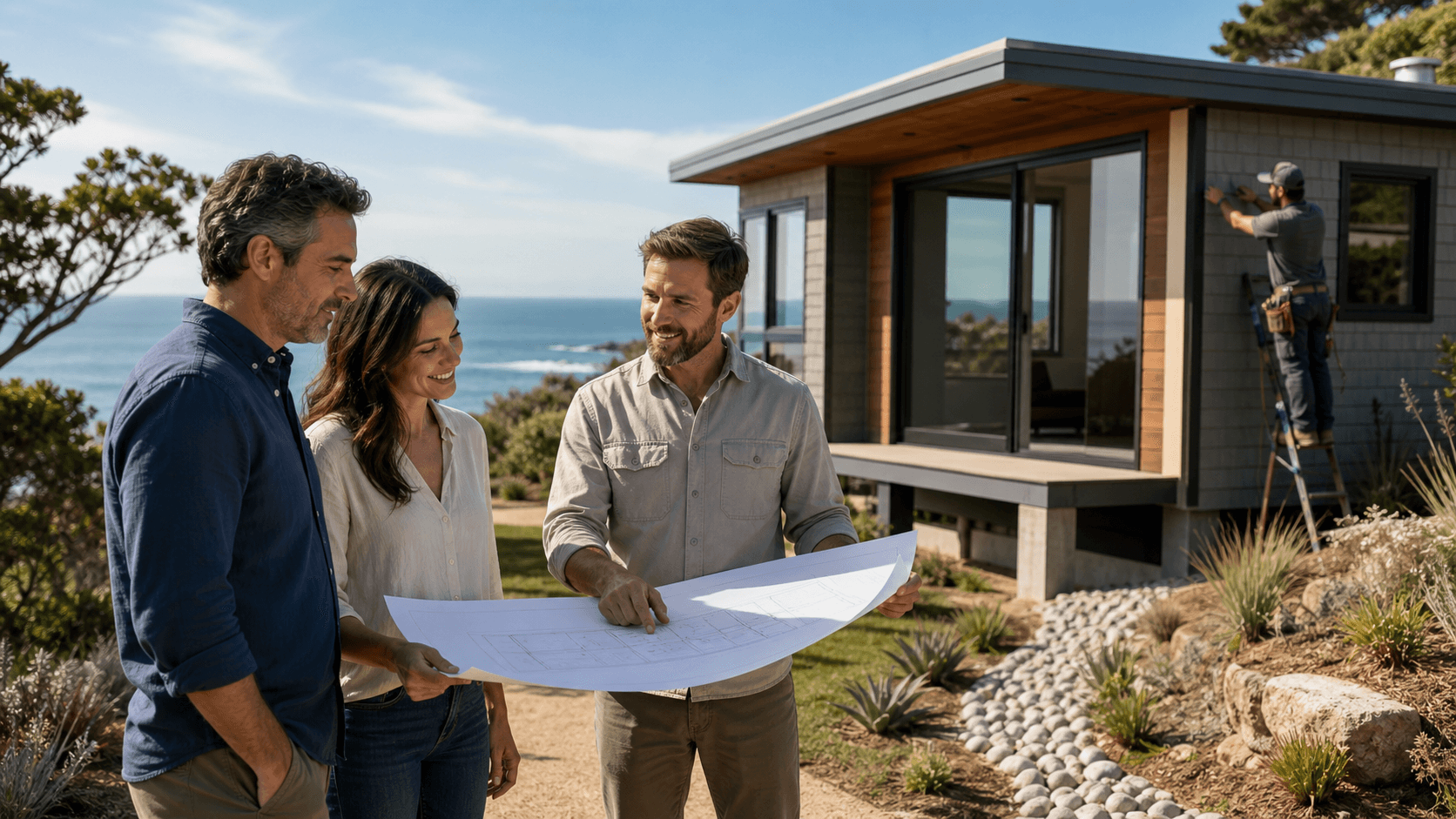
That is why licensed accessory dwelling unit builders with true coastal experience matter. They know how to shape a design that fits your lot, respects neighbor views, and still gives you a comfortable, light-filled space. Our team focuses on guiding coastal homeowners from early concept through design, financing, permitting, construction, and finally tenant placement so the unit is earning for you by peak summer rental season.
Coastal Rules That Can Make or Break Your ADU
Coastal lots in California follow more than standard zoning. On top of your city or county rules, many properties sit inside the Coastal Zone, which can bring in local coastal programs and, in some areas, direct Coastal Commission oversight. These rules and state ADU laws interact in specific ways, and your design has to respect both.
Common coastal limits that shape ADU projects include:
- Bluff and slope setbacks to protect against erosion and slide risk
- Flood and tsunami zones that affect foundation type and finished floor height
- Protected view corridors so neighbors keep a slice of the scenery
- Parking rules and driveway access near narrow coastal streets
- Height and lot coverage limits that control how much you can build up or out
On coastal lots, timing can be just as important as design. Many homeowners start planning in the fall, when life settles after summer travel and back-to-school. That gives enough time for:
- Site review and survey
- Coastal-sensitive design work
- Permit review with the city, county, and, when needed, Coastal staff
With this timing, you are in a much better position to break ground in spring and have the ADU ready for tenants before the busy summer season. Licensed accessory dwelling unit builders who work in coastal jurisdictions often spot red flags early, such as drainage issues, tricky access, or view corridor conflicts, and can adjust the design so your approvals move faster and with fewer surprises.
Why Licensing and Coastal Experience Matter More by the Water
When we talk about licensed accessory dwelling unit builders in California, we mean contractors who hold an active state contractor's license, carry proper insurance, and build to code. On coastal sites, this is not just a box to check; it ties directly to long-term safety and legal protection for your property.
Coastal conditions are hard on buildings. Salt air can cause metal parts to rust, strong winds hit roof lines and windows, and the ground can shift in different ways near bluffs or fill. Structures also still have to meet seismic rules and pass stricter inspections for:
- Foundations, especially on slopes or near bluffs
- Waterproofing and drainage
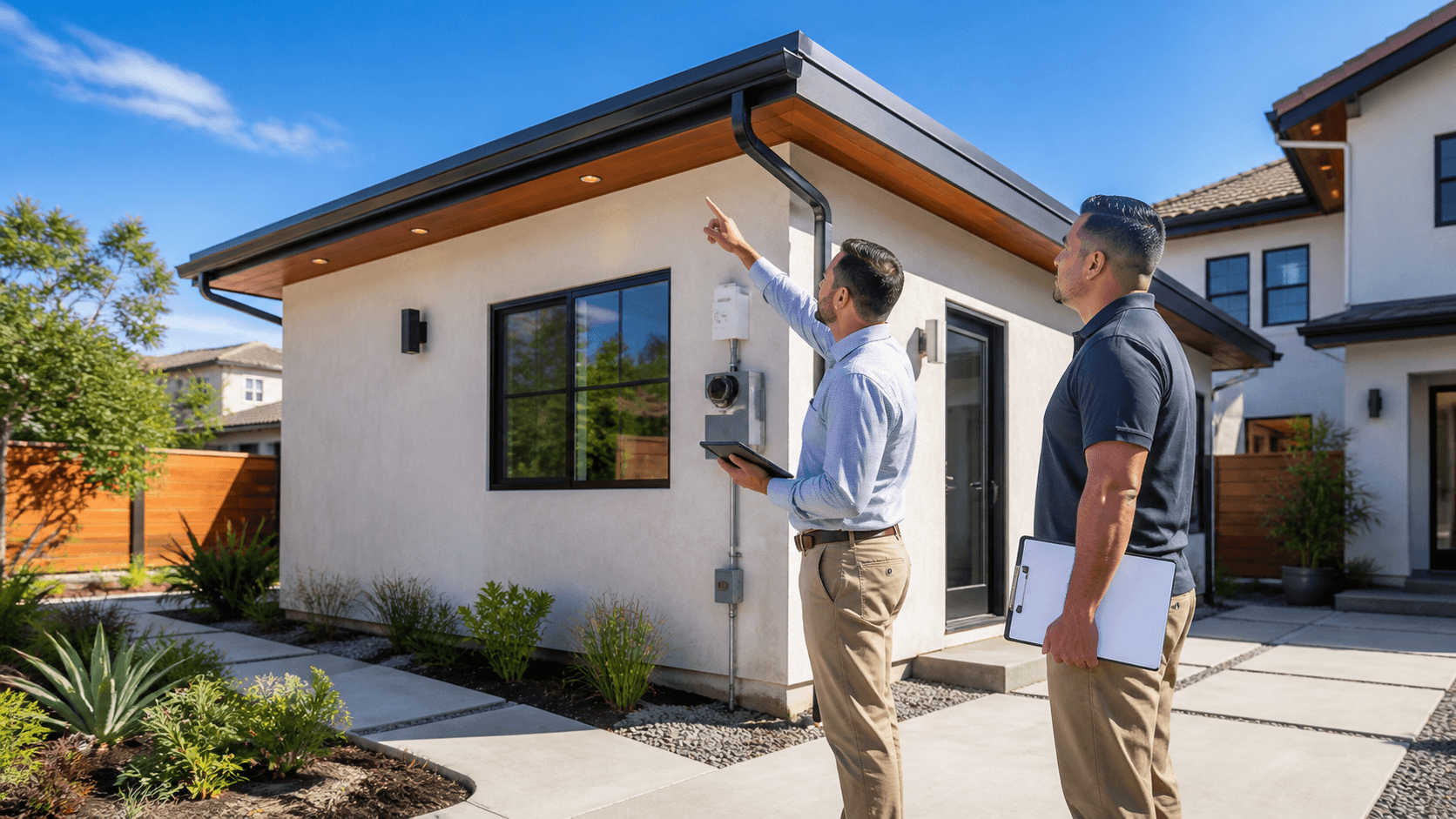
- Power and sewer connections in sensitive areas
Licensed builders are trained to follow building and safety codes that handle these risks. That lowers the chance of stop-work orders, code violations, or even being told to remove or change part of a structure after it is built. On a coastal lot, where regulators pay close attention to any new work, that peace of mind matters.
There is also the money side. Many lenders want to see that a licensed contractor is responsible for the work before they approve construction loans or refinancing. Insurers can also look at who built the ADU when they set coverage and terms. In the long run, a properly built, code-compliant coastal ADU can support your property's resale value, because buyers and their lenders have more confidence in the structure.
Smart Design and Materials for Long-Lasting Coastal ADUs
Good design on a coastal lot is about more than fitting an ADU into the leftover space. It is about respecting views, grade changes, and sunlight, while giving you real function. Licensed accessory dwelling unit builders who know the coast often lean on strategies like:
- Compact footprints that slide into side yards or rear corners
- Raised foundations in flood-prone or low-lying spots
- Layouts that keep the main house's ocean views open
- Entrance locations that maintain privacy between main home and ADU
Materials matter just as much. The right details help your ADU stand up to salt, sun, and moisture:
- Corrosion-resistant fasteners and connectors
- Siding and roofing that can handle humidity and strong sun
- Impact-rated or coastal-friendly windows and doors
- Durable, low-maintenance exterior finishes that clean up easily
Inside, the coastal climate can mean more moisture in the air. Smart energy and comfort choices include:
- High-performance insulation to keep interiors stable
- Thoughtful ventilation to cut down on mold and stale air
- Shading and window placement that invites light but controls heat
Sustainability also plays a role. Thoughtful drainage and stormwater handling, erosion-sensitive planting, and modest footprints can help ease concerns from staff reviewing your plans. When your ADU design feels gentle on the site, it often fits better with coastal policies and neighborhood expectations.
From Permit to Tenant on a Coastal ADU
On coastal properties, a clear roadmap from day one can save months of stress. A typical coastal ADU path often includes:
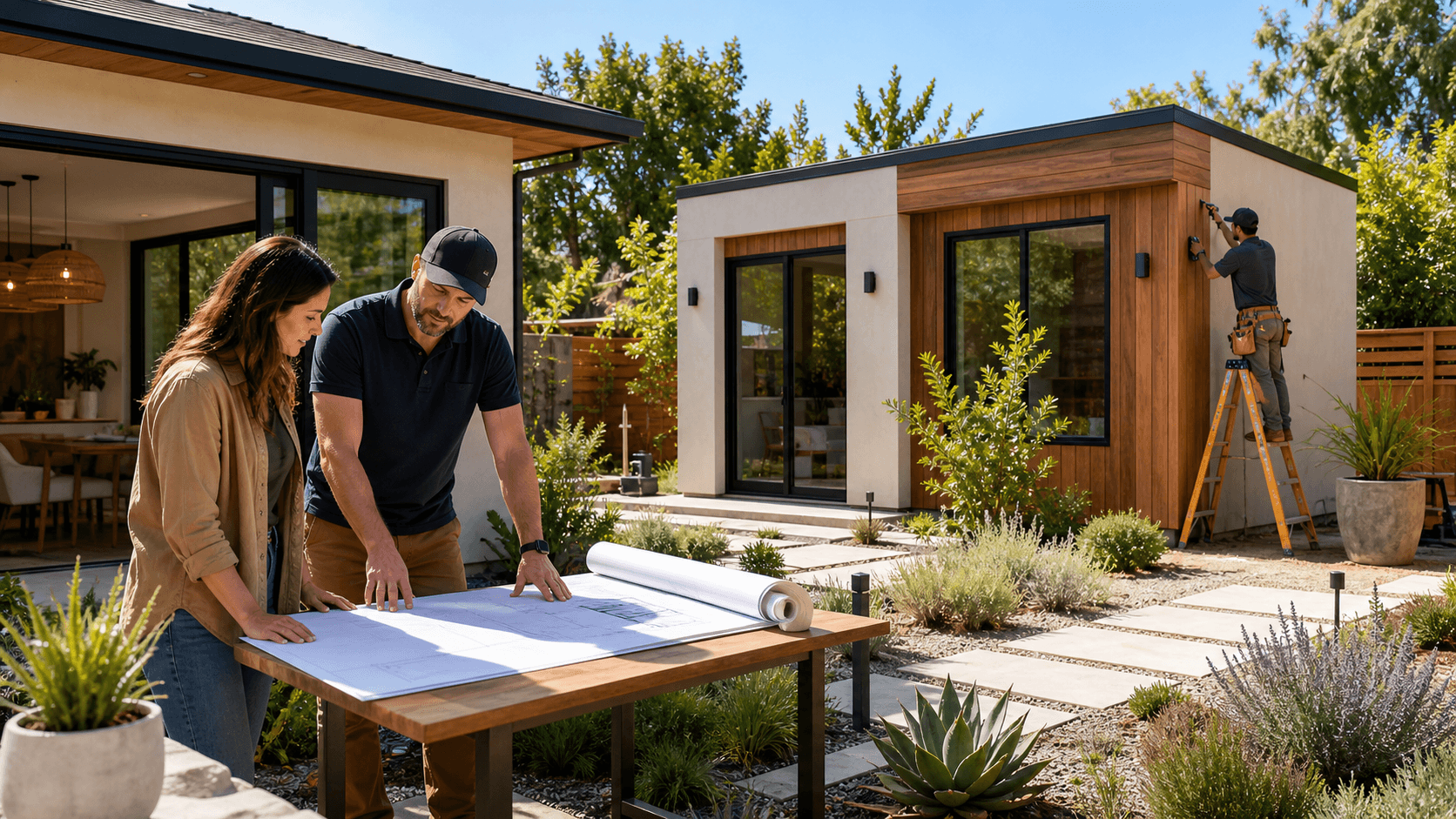
- Feasibility study, to confirm setbacks, utility access, and coastal limits
- Survey and site analysis, to understand slopes, drainage, and view lines
- Coastal-sensitive design, to fit your goals into what the lot and rules allow
- Early talks with city, county, and sometimes Coastal staff to spot issues
Once plans are ready, experienced teams help manage submittals, respond to comments, and keep track of review cycles. On coastal lots, even small changes can ripple through several departments, so organized permit management is key to avoiding resubmittals and seasonal slowdowns.
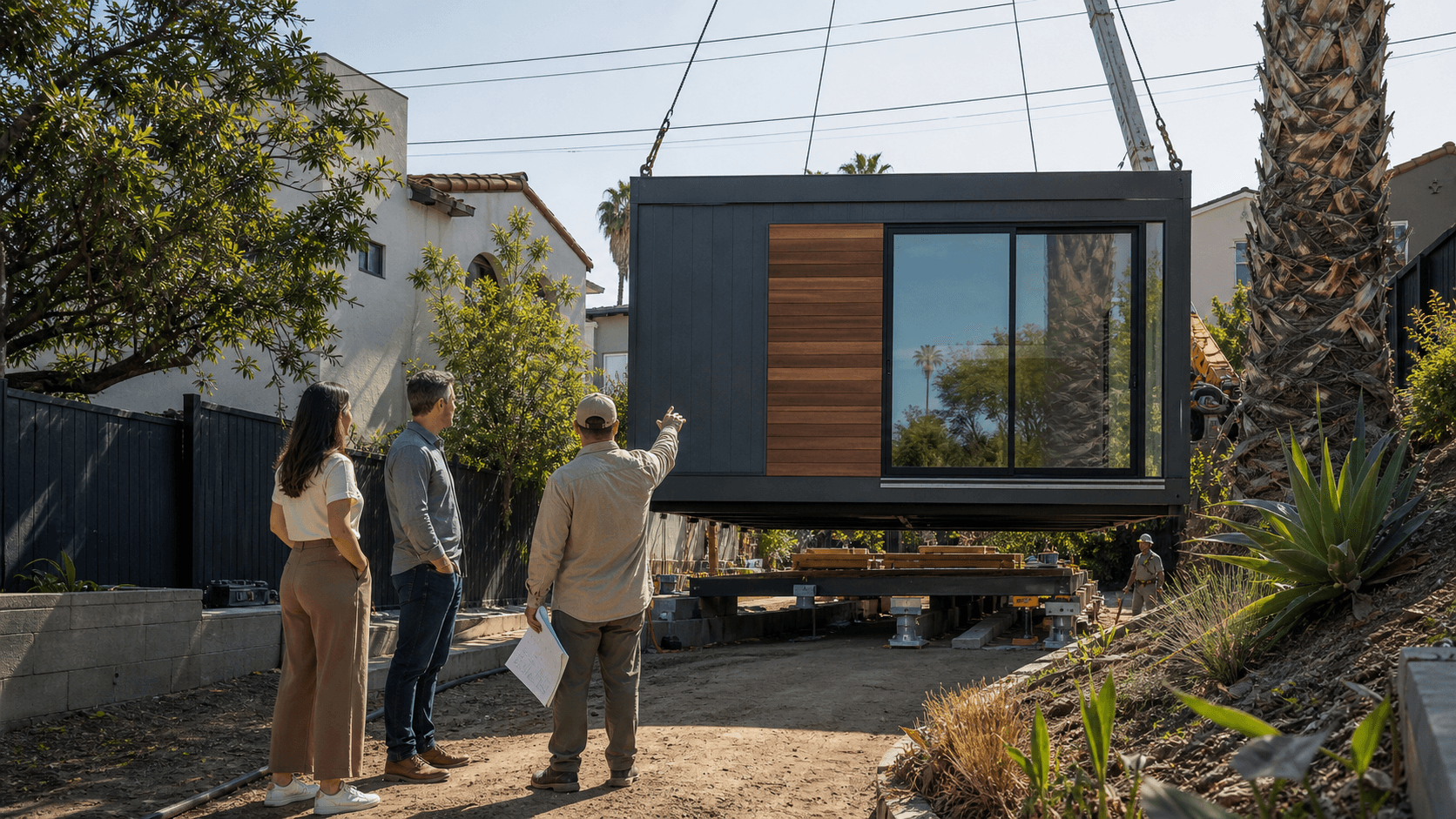
Construction near the coast can also feel tighter. Lots are often smaller, streets narrower, and neighbors very aware of noise and access. A thoughtful build plan looks at:
- Staging and deliveries on tight streets
- Work sequences around rainy spells
- Clear communication with neighbors about schedule and access
From there, the final steps bring everything together: financing support tailored to ADUs, inspections, punch-list work, and prepping the unit for renters. When planning starts in the fall, many homeowners are able to time tenant placement with spring and summer demand, so the ADU starts contributing to family income and long-term value right away.
Secure Your Coastal ADU Project Before Next Summer
Planning a coastal ADU is about balancing lifestyle, family needs, and long-term investment. Starting the process in the fall gives time for design, permits, and financing to line up so construction can move ahead smoothly and the unit is ready ahead of peak rental season. With the right licensed accessory dwelling unit builders at your side, you protect your coastal views, respect local rules, and create a space that works hard for your property over the long term.
At One Stop ADU Center, we focus on supporting coastal homeowners through every step, from early lot review to final tenant placement. Licensed builders who understand coastal conditions give you stronger protection, better design options, and more confidence in your ADU as part of your overall coastal property plan.
Unlock Extra Space And Value With A Custom ADU
If you are ready to add flexible living space and long-term value to your property, our team at One Stop ADU Center is here to guide you from concept to completion. As experienced licensed accessory dwelling unit builders, we handle design, permits, and construction so you can move forward with confidence. Tell us about your goals and timeline, and we will outline clear next steps tailored to your project. Have questions or need a quick estimate? Just contact us to get started.