Secure Coastal Living Spaces That Add Real Value
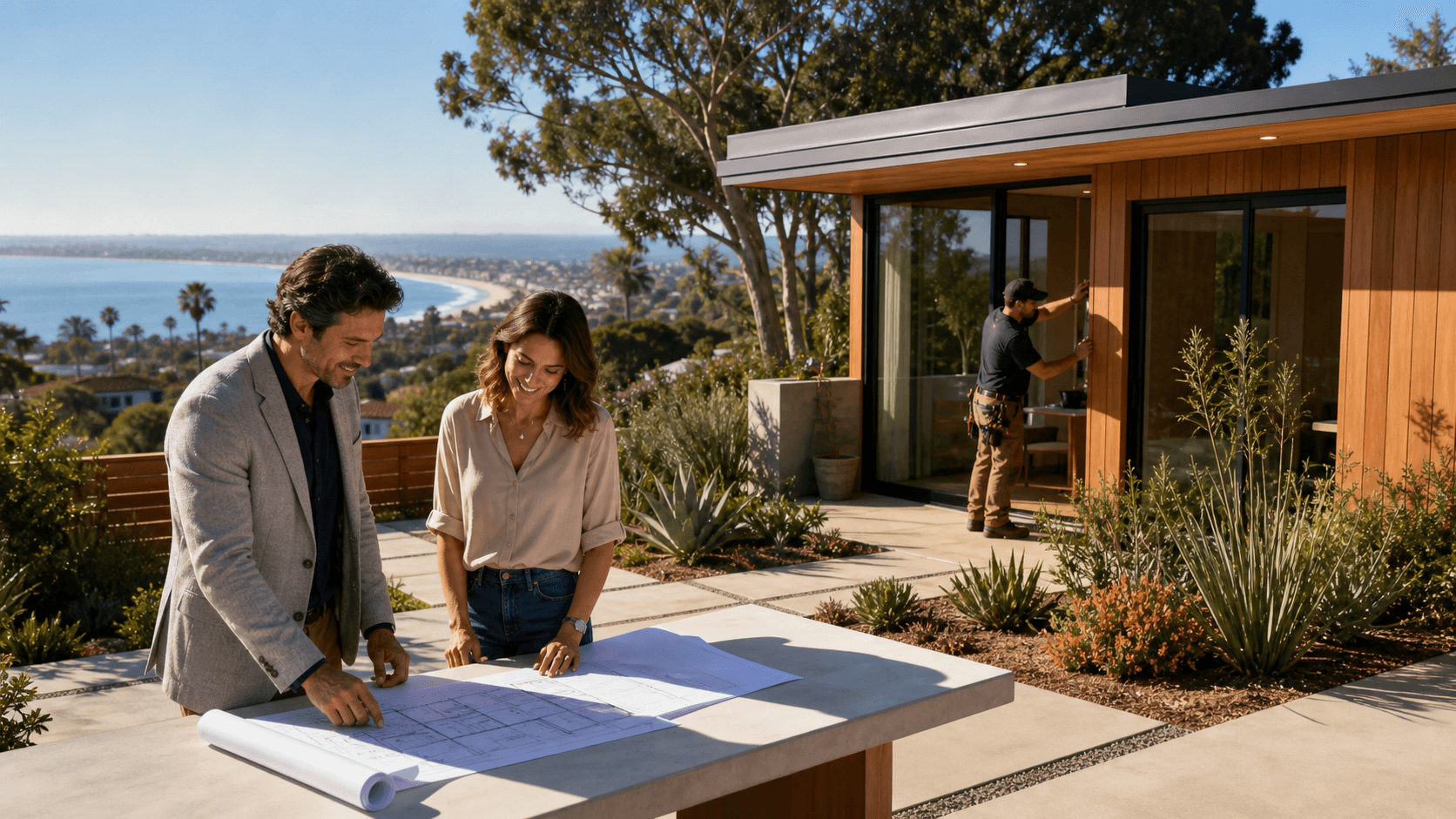
Building an ADU near the coast is one of the smartest ways to get more out of your property. A coastal ADU can bring in steady rental income, create space for family, or give you a quiet studio for work. When that space also offers ocean air and natural light, it becomes even more appealing for both you and future tenants.
Coastal ADUs in California are special. They sit in areas with stronger rules, extra reviews, and real weather and site challenges. You are dealing with things like salt in the air, flood risk, and tighter zoning. That is why choosing licensed accessory dwelling unit builders is not just a box to check, it is a way to protect your permit, your budget, and your long-term peace of mind.
Near the coast, a small mistake on a plan sheet can turn into a denied permit or a long delay while fall rain and wind roll in. In this guide, we will walk through the rules that shape coastal ADUs, what to look for in a builder, and how careful planning keeps your project on track as the seasons change.
Understanding Coastal ADU Rules Before You Design
Before you think about floor plans or finishes, it helps to understand how the rules work by the water. California has state ADU laws that open the door for more housing on single-family and multifamily lots. On top of that, coastal zones often have extra layers of review and limits that sit over those state rules.
Common coastal requirements can include:
- Special setbacks from the bluff, beach, or sensitive habitat
- Height limits to protect views and neighborhood character
- Limits on building footprint and lot coverage
- Design standards so the ADU fits into the coastal look and feel
Some areas also care a lot about parking and access. You may need to show how cars, trash service, and people will move without blocking coastal access paths or nearby streets. In some zones, a Coastal Development Permit, or CDP, is needed, which means deeper review of your site, its soils, and how your project handles drainage and stormwater.
This is where the right builder makes a big difference. Licensed teams who know coastal ADUs can sort out:
- Whether your lot is in a coastal or flood zone
- If you will need geotechnical or environmental reports
- How state ADU rules apply alongside local coastal rules
- What the city and Coastal Commission staff look for in plans
At One Stop ADU Center, we focus on early zoning research and feasibility work. By doing that up front, we help prevent last-minute redesigns or schedule slips when fall review calendars get crowded.
Why Licensed ADU Builders Matter on the Coast
When we talk about licensed accessory dwelling unit builders, we mean builders who hold an active California contractor license with the right classification, bonding, and insurance. This is not just a formality. It is how you know your team is allowed to pull permits, carry the right coverage, and stand behind their work.
On the coast, licensed builders offer more than basic construction skills. They bring coastal know-how, like:
- Structural design that handles wind and salt air
- Foundation strategies for lots near flood zones or soft soils
- Exterior systems that stand up to constant sun and humidity
- Planning for inspections that may be stricter in coastal zones
Working with unlicensed or inexperienced crews near the water can create real headaches. You might face failed inspections, stop-work orders, or trouble later when you try to refinance or sell. It can also put you at risk if something goes wrong on site.
When your design, permitting, engineering, and inspections are handled by one coordinated, licensed team, the process usually runs smoother. That matters in coastal areas, where review timelines can be tight and you may want framing, roofing, and exterior work wrapped up before the rainier months.
Engineering Coastal ADUs for Weather and Durability
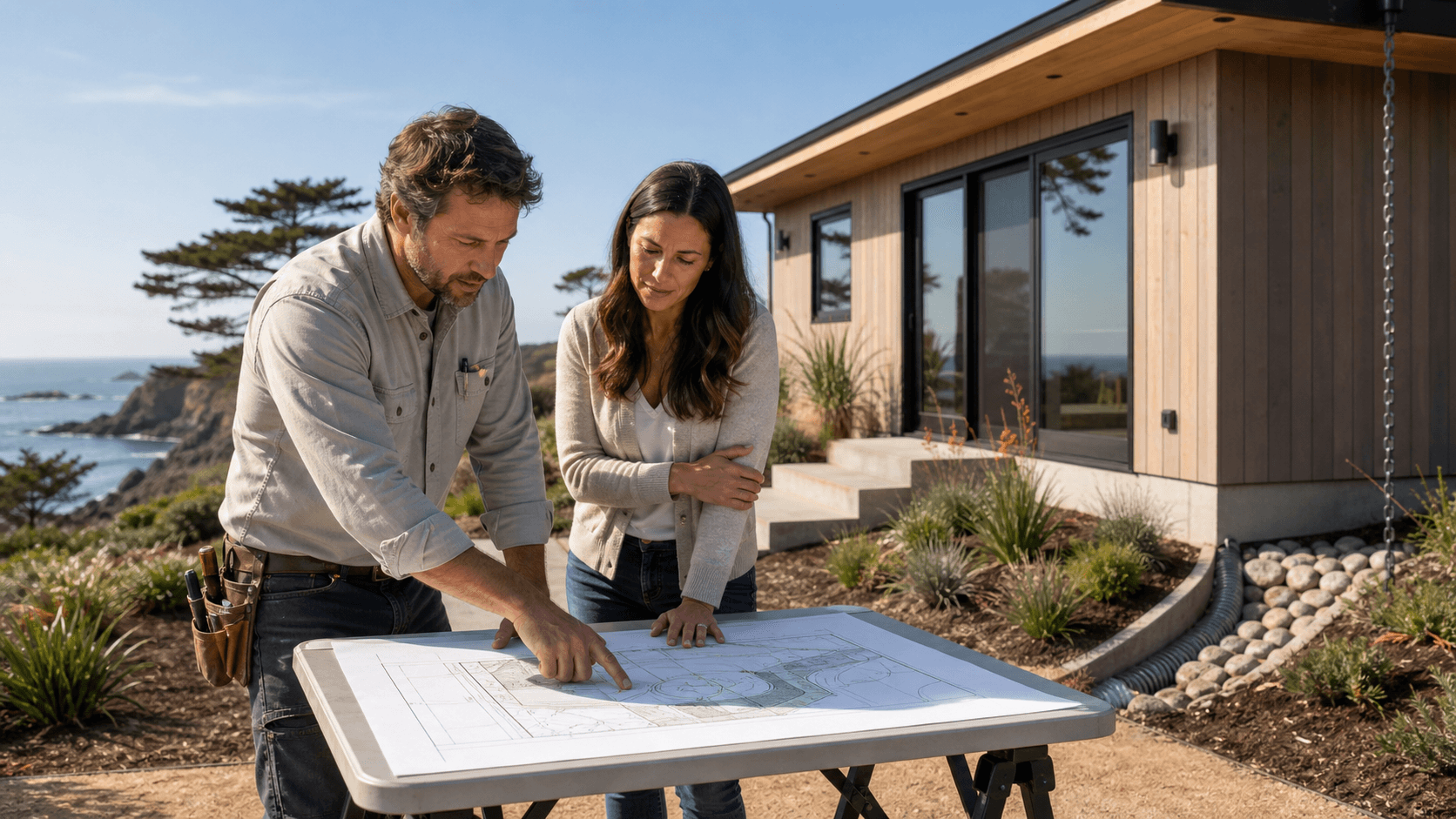
Coastal ADUs need to look good, feel good, and hold up over time. That means planning for coastal hazards from the very start. Licensed accessory dwelling unit builders work with engineers to match the design to your exact lot conditions, not just a generic plan.
For many coastal sites, we pay close attention to:
- Flood zones and possible storm surge
- Erosion or unstable slopes nearby
- High groundwater and drainage paths across the yard
To manage these, your ADU might use raised foundations, upgraded drainage, or small retaining elements that guide water away from the structure. These details do not always show in the pretty renderings, but they protect your investment year after year.
Materials matter too. Coastal units do best with:
- Corrosion-resistant fasteners and hardware
- Durable siding and trim that stand up to sun and salt
- High-performance roofing with strong flashing
- Quality windows with good seals and optional impact ratings
- Extra waterproofing layers at decks, doors, and windows
Comfort and energy use also play a big role, especially in a warm climate. We often focus on strong insulation, efficient HVAC systems, and smart natural ventilation so units feel comfortable during long sunny stretches and shoulder seasons. Solar readiness can be part of the plan too, so you have options later without major changes.
At One Stop ADU Center, we think about long-term upkeep when we design. That includes material choices, access for future repairs, and details that help your ADU stay attractive to renters and family members, even as it weathers coastal sun, wind, and moisture.
Seamless Permits, Financing, and Tenant Readiness
A coastal ADU project is more than sticks and stucco. It touches permits, design, financing, and future tenants. When all those pieces are handled under one roof, the process is usually simpler for you.
A full-service path often looks like this:
- Site evaluation to understand your coastal zone, slope, and access
- ADU design tailored to local guidelines and your goals
- Permit preparation and submittals with all required reports
- Support in exploring financing options that fit your situation
- Construction and inspections through final occupancy sign-off
In coastal cities, review cycles can stretch, especially around key holidays or busy months. Experienced teams plan the schedule with that in mind. We work to sequence design, permit review, and construction so your project is not stuck waiting when the rainy season picks up or inspectors are backed up.
Financing is another key piece. Many homeowners use tools like home equity lines, cash-out refinances, or renovation-style loans for ADUs. Because coastal locations are often attractive to renters, projected rental income can sometimes help support loan plans, as long as the ADU is designed and built to meet code and local rental rules.
Before tenants move in, the unit needs to be safe, code-compliant, and practical. That includes things like:
- Smoke and carbon monoxide alarms in the right places
- Safe access paths and lighting around the unit
- Parking solutions that meet local requirements
- Thoughtful layouts that feel comfortable for long stays
Teams that also help with marketing or tenant placement can shorten the time between final inspection and your first month of income.
Start Your Coastal ADU Project Before Storm Season Hits
As fall starts and calendars fill with school events and holidays, it is a smart moment to get serious about a coastal ADU. Permitting and design can take time, and coastal review can add a few extra steps. Starting planning in late summer or early fall gives you room to move through design, permits, and financing before the wetter months affect outdoor work.
A simple action plan looks like this. First, get a clear coastal feasibility review so you understand what your lot can support. Next, explore design options that balance views, privacy, and local guidelines. Then, line up financing while plans are being refined, so funding is in place when permits are ready. Finally, map out a construction calendar that respects local climate patterns and city review timing.
Working with licensed accessory dwelling unit builders helps keep each of those steps aligned. With the right team, you can protect your property, support long-term income, and create a safe, lasting space by the coast that serves your family and your future plans.
Get Started With Your Project Today
If you are ready to add value, flexibility, and long-term income potential to your property, our team at One Stop ADU Center is here to help you move from idea to reality. As experienced licensed accessory dwelling unit builders, we handle everything from initial planning and design to permits and construction. We take the time to understand your goals so your ADU fits your lifestyle, budget, and timeline. Have questions or want to discuss your specific project needs, simply contact us to schedule a consultation.