What Really Happens After Your ADU Permit Is Approved
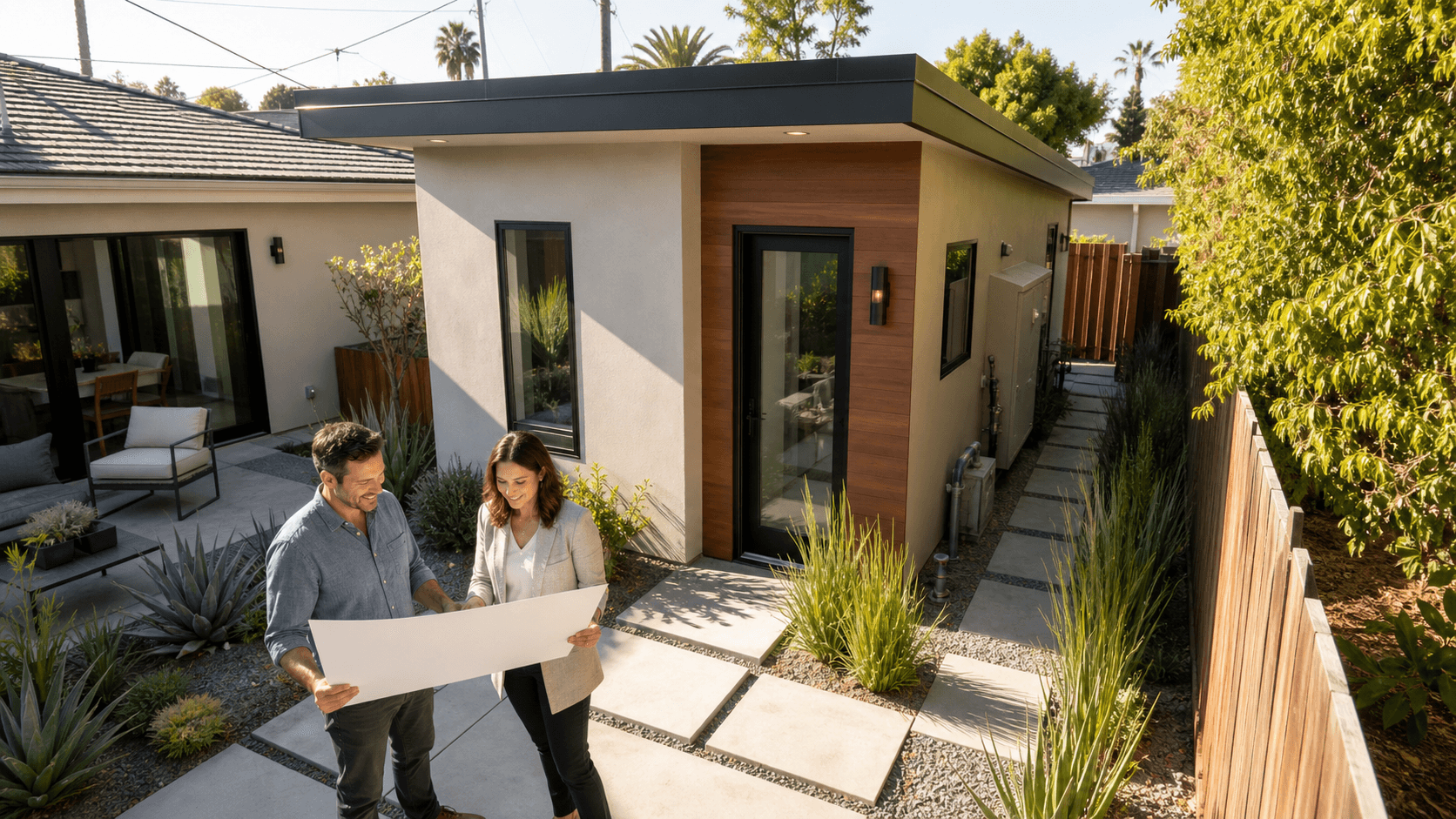
Getting your ADU permit approved feels like a huge win. The plans are stamped, the city said yes, and it can seem like the hard part is done. But this is actually the point where the most detailed and time-sensitive work really starts.
From the moment permits are issued, professional ADU contractors move into coordination mode. They line up utility work, schedule inspections, keep trades in order, and track every step needed to turn paper plans into a real, rentable home in your backyard. When this phase is handled well, you get a smooth path to move in or start collecting rent. When it is not, you see delays, surprise costs, and a lot of stress.
Summer and early fall in California are especially busy. Homeowners want their ADUs finished, inspected, and ready for tenants before the holiday season and year-end travel. That means city inspectors, utility crews, and contractors all have full calendars. A full-service team that manages everything under one roof helps keep your rental timeline on track and protects your budget from last-minute surprises.
Utility Metering and Service Upgrades That Protect Your ADU Investment
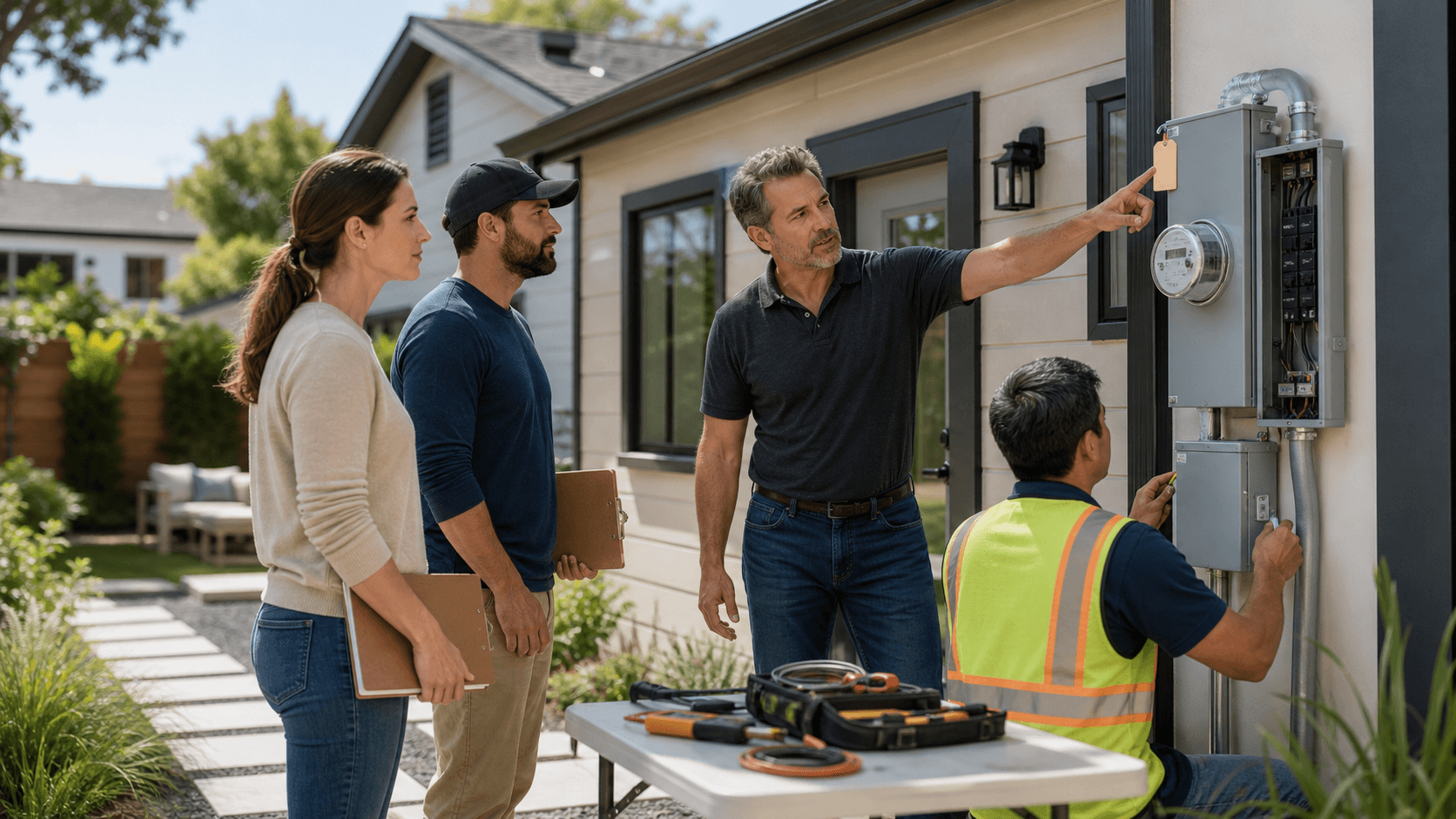
Once permits are approved, one of the first big topics is utilities. How will power, water, and maybe gas reach the new ADU? Will the unit share meters with the main house, or have its own?
Separate and shared metering affect your day-to-day life as a landlord:
- Shared meters can make it harder to split bills with a tenant
- Separate meters let the utility bill the tenant directly for some services
- Smart planning can help support the long-term value of your property
Professional ADU contractors coordinate with local utilities and city staff to:
- Confirm panel and service capacity for the new ADU
- Plan any trenching and conduit routes
- Schedule temporary shutoffs or tie-ins so they do not drag on
- Arrange inspections so connections can be signed off quickly
In California, there are also energy and lifestyle factors that matter. You may need to think about solar rules, EV-ready parking, higher electrical loads from mini-split systems, or all-electric appliances. Long, sunny days and heavy AC use can push your power usage up, so early planning around panel size and circuits is important.
A full-service firm will usually start reviewing utility capacity and metering during design, not at the very end. That way, by the time permits are issued, the plan for meters and upgrades is already mapped out, which helps keep things moving on schedule once construction is moving fast.
Navigating City and Third-Party Inspections Without Stress
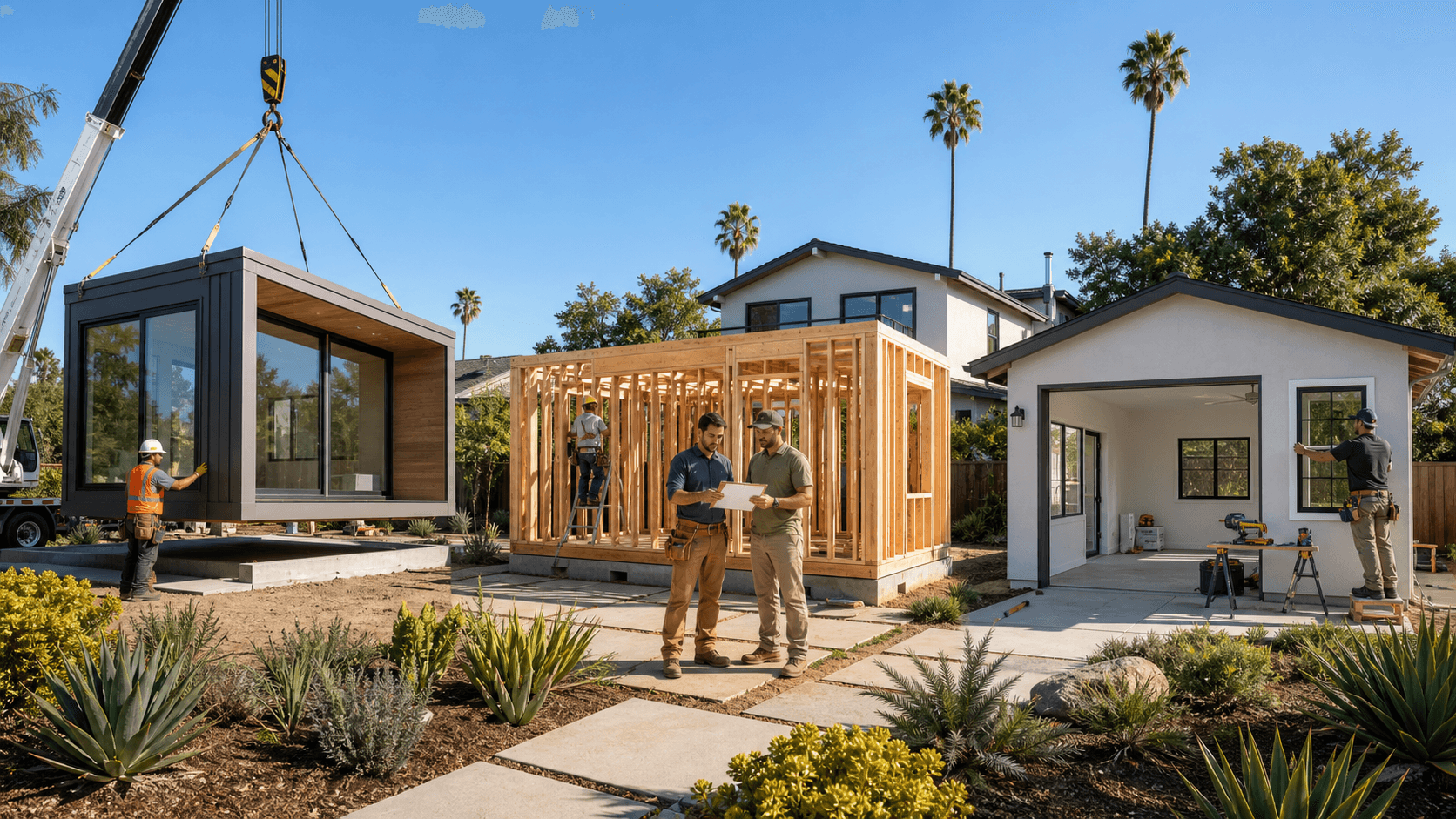
After utilities and framing start, inspections become the checkpoints that shape your calendar. Each trade only moves forward when the right inspector signs off.
Common inspection stages include:
- Foundation and underground utilities, if your ADU is built on-site
- Framing and rough trades, like plumbing, electrical, and HVAC
- Insulation and any sound or fire separation requirements
- Final inspection, where safety, finishes, and code items are checked
Professional ADU contractors plan work so each inspection has the best chance to pass the first time. This means:
- Checking that actual work matches the approved plans
- Making sure subcontractors finish their part before inspection day
- Double-checking obvious issues so an inspector is not the first to see them
Good communication with the homeowner is also important. We walk you through what inspectors are likely to look at, how correction notices work, and what happens if an inspector gives a partial pass. If something does not pass, the contractor's job is to fix it quickly, reschedule, and keep everyone updated.
Late summer and early fall can bring inspection backlogs as many projects aim for completion before the holiday season. Strategic scheduling and a contractor who knows local habits and timing can help keep your move-in date and rental listing timeline realistic instead of constantly pushed back.
Punch Lists, Quality Checks, and Tenant-Ready Finishes
Even after the main construction is complete, an ADU is not automatically ready for a tenant. This is where the punch list comes in. It is a detailed list of all the small items that still need attention before anyone moves in.
A solid punch list often includes:
- Paint touch-ups and caulking
- Door and window adjustments so they close and lock smoothly
- Outlet and switch plate alignment and light fixture checks
- Plumbing trim, faucet adjustments, and drain testing
- Exterior clean-up, grading touch-ups, and final site details
Professional ADU contractors manage this list across all trades. It is a step-by-step cleanup of little issues so the finished space feels like a home, not a job site. This is also the time for in-depth functional testing under real conditions.
We like to:
- Run HVAC in hot parts of the day to confirm it keeps the space comfortable
- Test hot water delivery and fixture flow
- Check GFCI and AFCI outlets and breakers
- Confirm smoke and carbon monoxide detectors work and are in the right spots
- Open and close egress windows and verify they are safe and code compliant
For homeowners who plan to rent, this phase overlaps directly with marketing. A clean, fresh, fully working ADU photographs better, shows better, and attracts better tenants. The goal is not just a code-compliant building, but a place that feels safe, bright, and ready for someone to move in with no surprises.
Securing the Certificate of Occupancy and Leasing with Confidence
The Certificate of Occupancy, often called the CO, is the city's final approval that your ADU can legally be lived in. Without it, you should not be renting the unit out or treating it as finished.
Getting the CO usually involves:
- Passing final building, electrical, plumbing, and sometimes fire inspections
- Submitting any required documents the city asks for, like as-built details
- Resolving any open corrections or notes from earlier inspections
- Closing out permits so nothing remains in a pending status
A full-service team keeps track of who needs what, and when. Someone follows up with the city, confirms paperwork is in, and makes sure loose ends do not stall your CO weeks longer than needed.
This timing also needs to match your tenant plans. You want to:
- Schedule photography when the ADU is fully cleaned and staged
- Prepare listings and screening steps while final approvals are in progress
- Set lease start dates based on realistic CO timelines, not wishful thinking
Working with professional ADU contractors who understand both construction and rental needs helps you move from final inspection to signed lease in a smooth, deliberate way, so your new ADU can start working as a real income source instead of just a finished project sitting empty.
Turn Your Finished ADU Into Real Income Sooner
What happens after your permit is approved matters just as much as the permit itself. Utility metering, service upgrades, inspections, punch lists, and the Certificate of Occupancy all shape how quickly your ADU shifts from a construction project to a legal, attractive rental unit.
Choosing professional ADU contractors who manage design, permitting, construction, and the whole post-permit phase under one roof removes a huge amount of risk and stress. You get a team that understands how each decision affects your move-in date and long-term plans, from service capacity to tenant appeal.
At One Stop ADU Center, we focus on turning finished ADUs into real homes that are comfortable, safe, and ready for quality tenants, not just structures that pass inspection. When you plan your project with the full path in mind, from permit approval to a paying tenant, you give yourself the best chance to hit your ideal timeline and start enjoying the benefits of your new ADU sooner.
Get Started With Your Project Today
If you are ready to add value, flexibility, and long-term potential to your property, our team at One Stop ADU Center is here to guide you every step of the way. Explore how our professional ADU contractors can handle design, permits, and construction with a streamlined process tailored to your goals. Have questions about your lot, budget, or timeline? Simply contact us to schedule a consultation and start planning your ADU with confidence.