Time Your ADU Lease-up to Catch LA's Summer Surge
Renting out a new ADU in Los Angeles is not just about finishing the build. It is about finishing at the right time. If you want strong rent and fast lease-up, timing your ADU to hit the summer rental season is one of the smartest moves you can make.
Summer, especially June through September, is when the Los Angeles rental market really wakes up. Families like to move before school starts. College students and recent grads hunt for new places. People change jobs and move closer to work. Longer daylight hours also mean more after-work showings, which leads to more applications.
When your permit final or utility setup drifts into October or November, things can slow down. You may have a finished ADU that sits empty while demand softens, and that can mean months of lost rent that never comes back. Smart backyard home builders in Los Angeles plan the whole process so the ADU is rent-ready two to four weeks before summer demand kicks into gear.
The big idea is simple: do not let timing be an accident. Reverse-engineer your design, permits, utilities, and leasing plan so everything lines up with peak renter interest.
Understanding the Key Milestones That Drive Lease-up
To time your lease-up, you first need to understand the three main milestones that control when you can legally and practically rent your ADU:
- Permit issuance
- Final inspection
- Utility metering
Permit issuance is when the city gives the green light for construction to start. Before this, your project is just lines on paper. Once you have this, crews can get moving on grading, foundation, framing, and all the hands-on work.
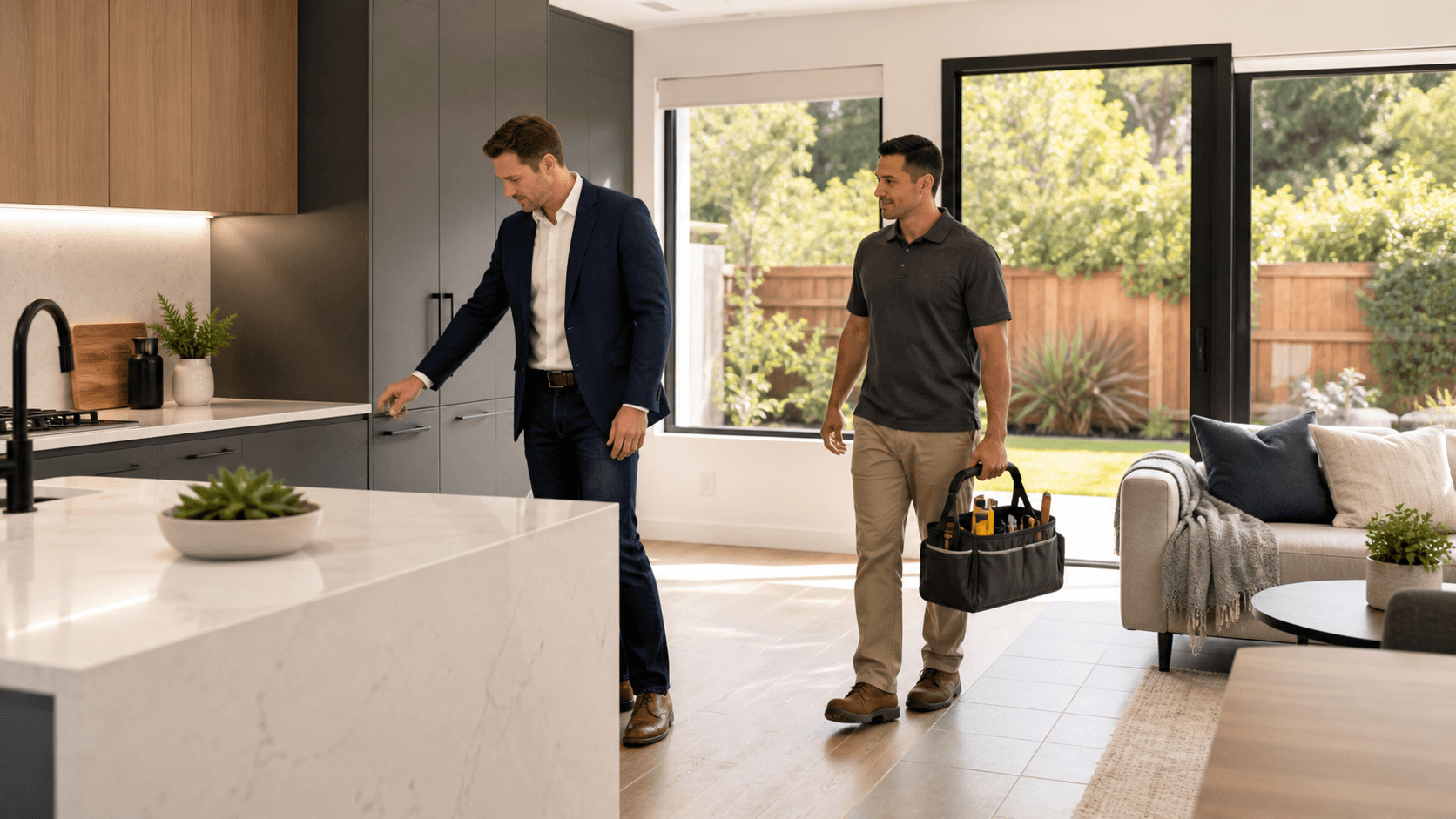
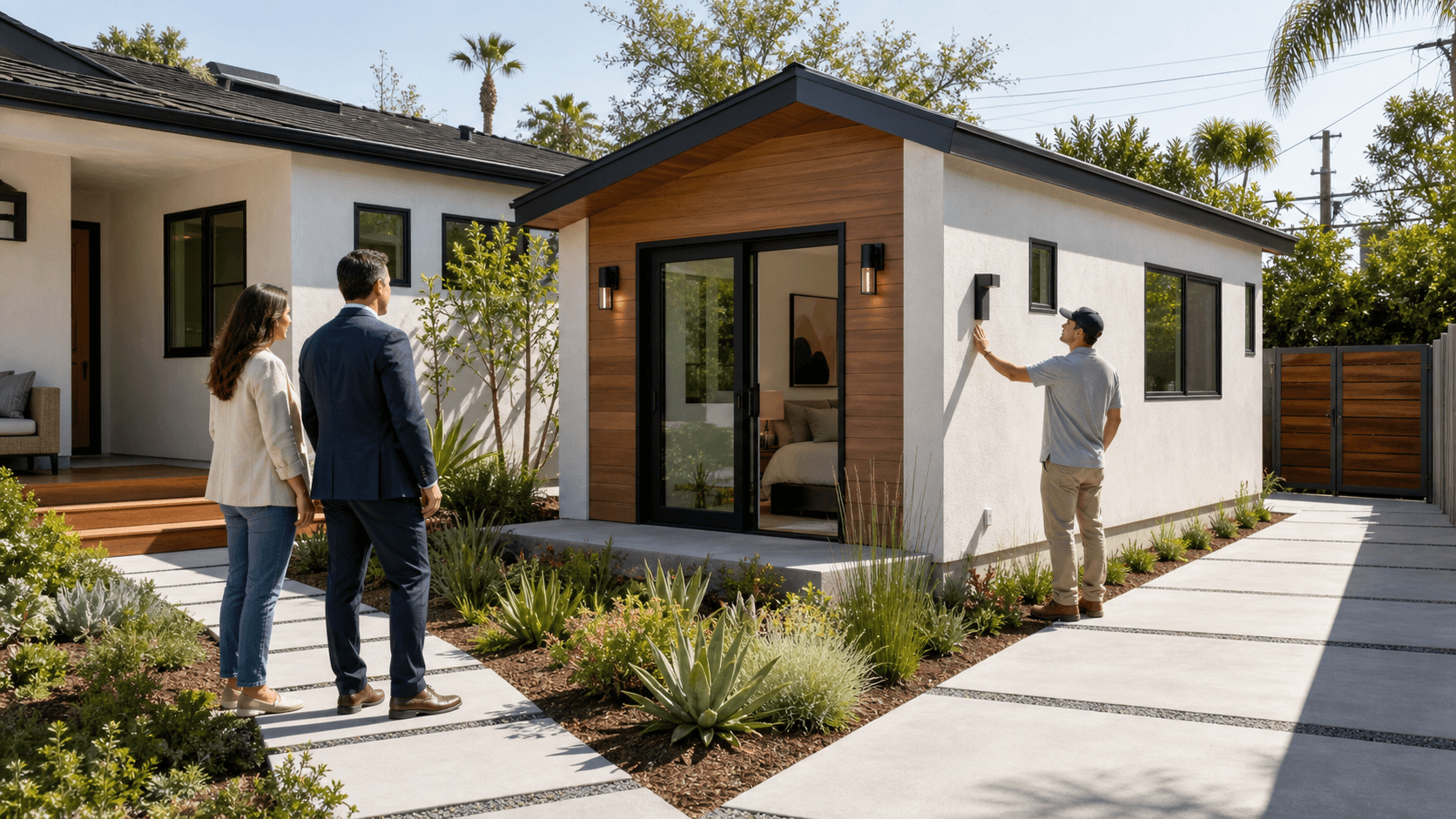
Permit final is when the city inspector signs off that the ADU is built to plan and to code. Until you have this, you should not be collecting rent or letting someone move in, even if the space looks finished.
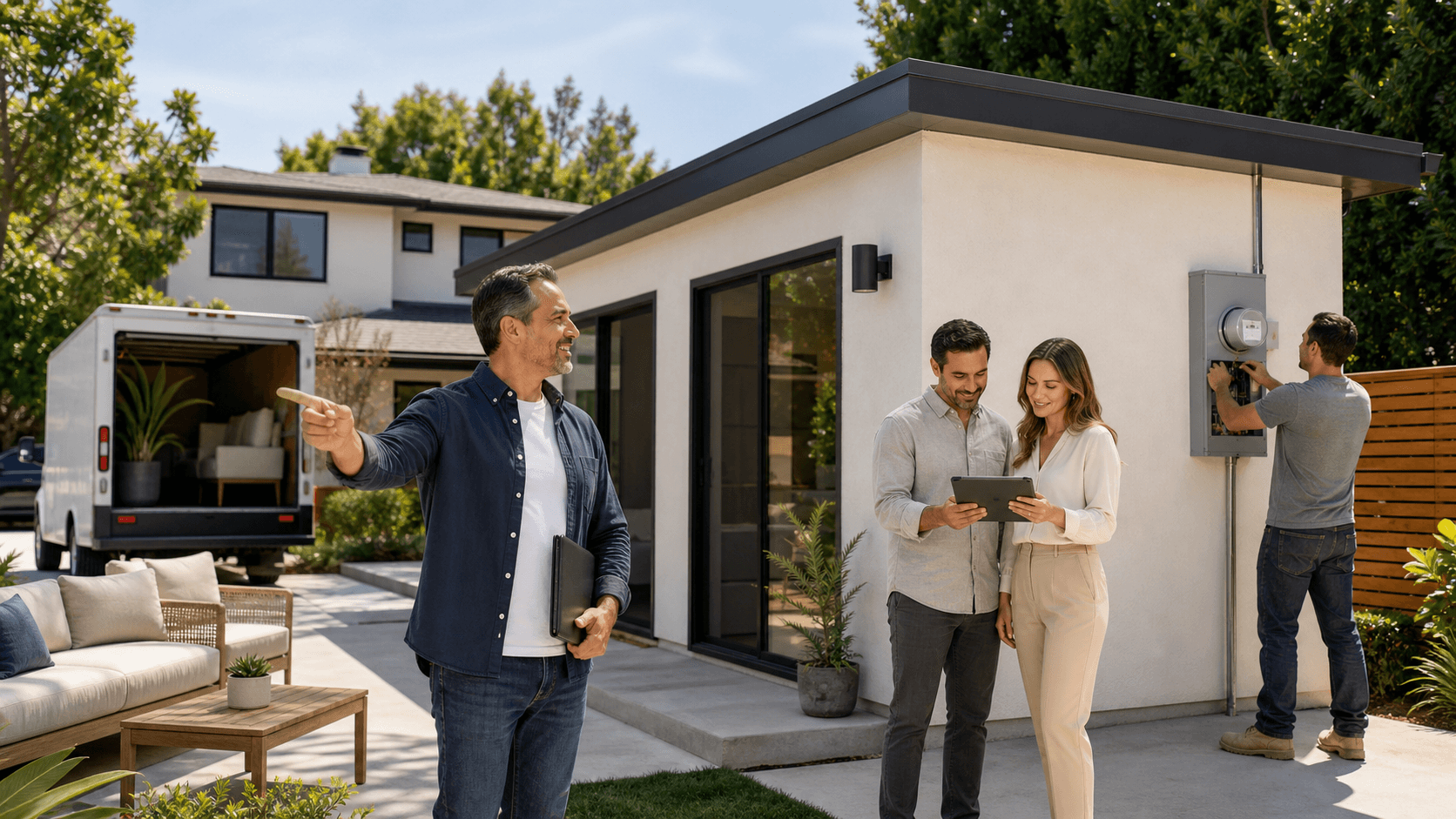
Utility metering is the step that often sneaks up on people. This is when your ADU gets its own power, gas, and sometimes water meter or at least a setup that allows fair billing. If this is delayed, you can end up with a beautiful ADU you cannot comfortably lease because you cannot sort out utilities in a clean way.
Some timing is in your hands, like how quickly design decisions get made and how fast you sign off on changes. Other pieces depend on the city and utility companies. Inspection calendars, meter appointments, and paperwork processing can shift by days or weeks.
Even a short delay can matter. Two weeks added to permitting, plus two weeks added to utility work, can easily push completion from early June into late July or August. Stack a few small delays together and your ADU may miss most of the summer window.
Working Backward From Summer to Set Your ADU Timeline
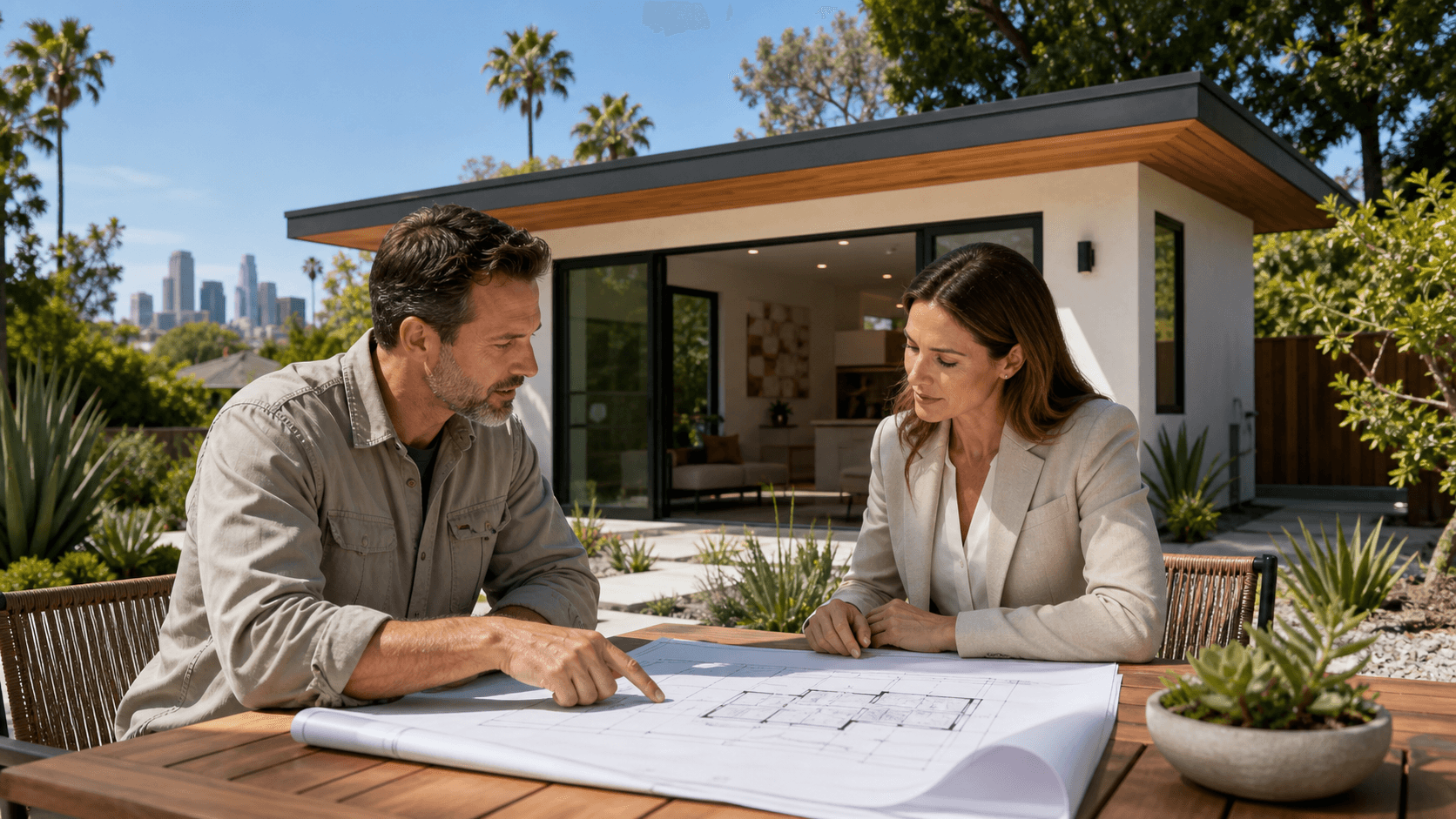
The best way to hit the summer surge is to plan backward. Instead of asking, "When can we start," ask, "When do we want the first tenant to move in?"
Let us say you want your first lease to start in early July. To make that realistic, you want showings in mid to late June, when renters are actively touring. From there, you can sketch a rough backward schedule like this:
- Showings and pre-leasing: mid to late June
- Permit final: late May
- Final inspections: early to mid May
- Interior finishes wrapped: late April to early May
- Framing and rough trades done: a few months before that
- Permit issuance and construction start: several months before framing is complete
This is only a general pattern, but the idea holds: pick your summer lease-up window first, then walk the dates back to figure out when each earlier step needs to start.
Experienced backyard home builders in Los Angeles also build in contingency time. They expect that an inspection might need a re-check or that a utility crew may not show up on the earliest possible day. By planning a buffer around key steps, you can absorb small bumps and still land inside the summer season instead of sliding into fall.
Coordinating Utilities and Inspections to Avoid Costly Gaps
One of the biggest reasons ADUs miss peak rental season is not framing or finishes; it is the last 10 percent. Utilities and inspections are where many projects slow down at the worst possible time.
Common bottlenecks include:
- Long wait times for separate electric or gas meters
- Trenching, panel upgrades, or service changes that need extra sign-offs
- Scheduling with local power or gas providers during busy periods
- Inspections that require utilities to be live before they can pass
To keep things moving, it helps to plan for utilities from day one. That often means:
- Submitting utility applications early instead of waiting until drywall is up
- Confirming service capacity and panel needs before framing is locked in
- Grouping inspections in a logical order so you are not calling inspectors out five times for small items
- Ordering panels, fixtures, and specialty parts with enough lead time
This is where a full-service team really matters. When design, permitting, construction, and leasing all talk to each other, you are less likely to be stuck in the "almost done" trap. That is the situation where the ADU looks perfect, but you are still waiting on a meter or a final inspection, so you cannot legally bring in a tenant.
Launching Your Marketing Plan Before the Paint Dries
Timing the build is only half of the story. The other half is timing your marketing so you already have renter interest as soon as you get permit final and utilities are set.
We usually recommend starting pre-leasing about 30 to 45 days before you expect permit final. Even if the space is not fully finished yet, you can still:
- Use quality renderings or late-stage photos
- Share clear floor plans and square footage
- Write listing descriptions for major rental platforms
Before your listing goes live, it helps to lock in a few basic points:
- Target rent based on recent local comps
- Pet rules and deposits
- Parking details and storage options
- A simple "move-in by" message that lines up with summer dates
Screening can start early too. You can collect applications, run background and credit checks, and verify income while the last bits of construction are wrapping up. That way, once the city signs off and utilities are good to go, you are ready to move from showing to signed lease in days, not weeks.
Turn Your ADU Timeline Into a Summer Lease-up Strategy
When you look at your ADU as an investment, timing becomes part of your return. Catching the summer rental wave often means more people at showings, stronger rent, and fewer weeks where the unit sits empty.
Instead of letting the project drift from one step to the next, it helps to sketch a simple, clear path. Start with design, move to permitting, then to construction, utilities, inspections, and finally leasing. Put target dates next to each stage, then adjust them so your ADU becomes rent-ready just ahead of the next summer peak.
With the right planning, your backyard home does not just get built, it arrives on the market at the exact moment renters are most active and ready to sign. That is how timing turns a standard ADU project into a stronger long-term asset for your property.
Get Started With Your Project Today
If you are ready to turn your unused yard into a functional living space, our team at One Stop ADU Center is here to guide you through each step. As experienced Backyard home builders in Los Angeles, we handle design, permits, and construction so you can move forward with confidence. Tell us about your goals, budget, and timeline, and we will help you map out the best path for your new ADU. Have questions or want to schedule a consultation now? Just contact us to begin.