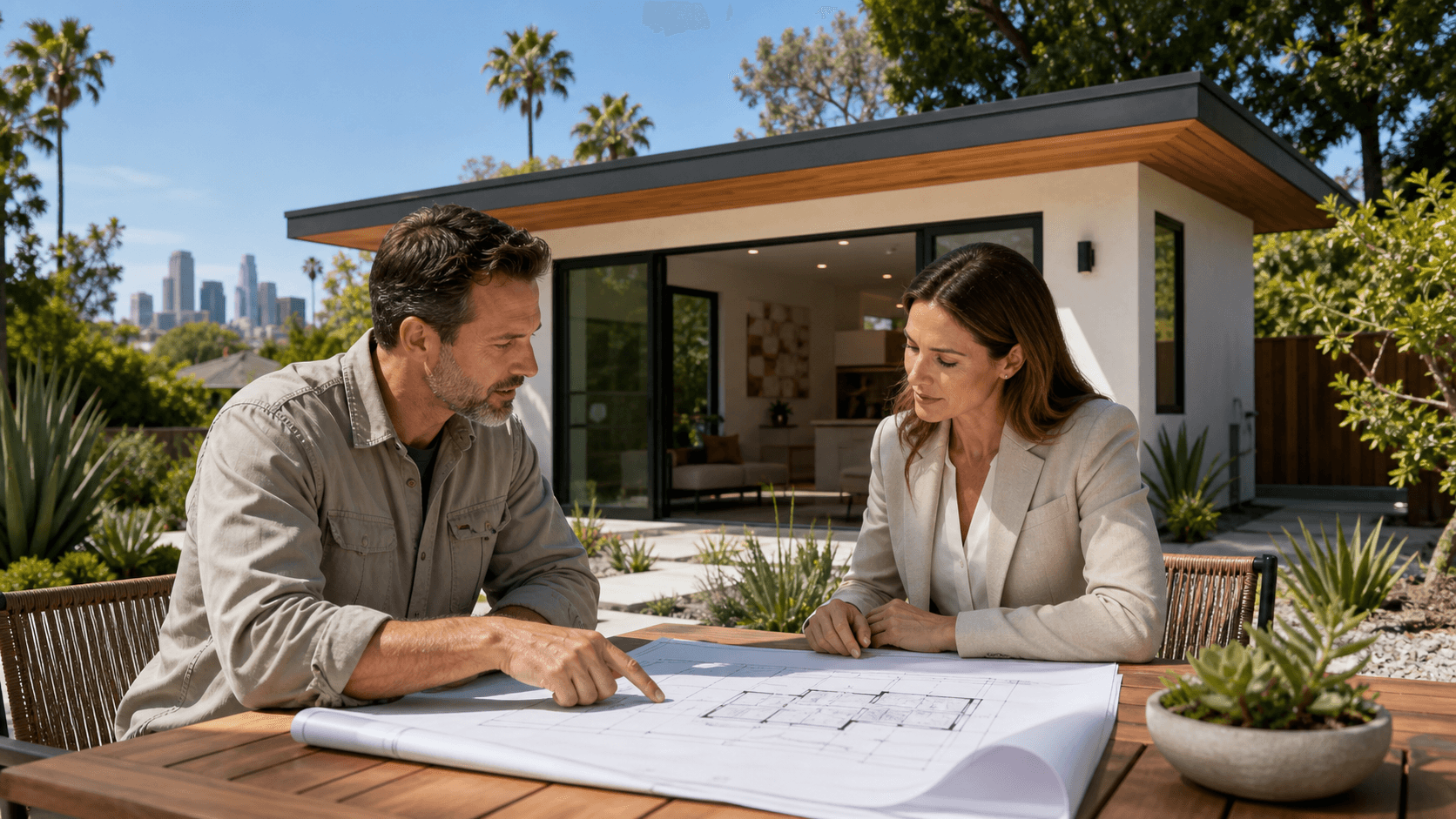
Smart Rental Clauses for Your Los Angeles ADU
Smart rental clauses can make or break your experience as an ADU owner. With an ADU, you are closer to your tenant, often sharing driveways, yards, and sometimes utilities, so small misunderstandings can grow fast if the lease is weak or vague.
Here in Los Angeles, late summer is a big move-in season. Many new ADUs hit the rental market around August and September, and clear lease terms help them stand out. We will walk through the key lease topics ADU owners should plan for and how smart design choices during construction can support those rules from day one.
Protect Your ADU Investment with Smart Rental Clauses
ADUs are not like large apartment buildings. Space is tighter, sound travels more, and access is often shared with the main house. Because of that, rental clauses carry extra weight. They protect more than just rent collection; they protect your peace of mind at home.
A well-drafted lease can help you:
- Prevent disputes with tenants and nearby neighbors
- Keep your property value strong by avoiding long-term damage
- Stay in line with Los Angeles and California rules about rent, access, and notice
Good lease language works best when it matches the way the ADU is designed and built. For example, if your lease sets limits on shared yard use, your fencing and gates should make those rules realistic. As an ADU contractor in Los Angeles plans your project, it helps when they know your rental goals so they can shape privacy, parking, and utilities to support clear, enforceable terms.
Privacy, Access, and Shared Space Boundaries That Work
Most ADU tension comes from one thing: unclear boundaries. Your lease should spell out exactly what is private and what is shared.
Key items to define in writing:
- Driveways and walkways
- Yards, patios, and decks
- Laundry rooms and storage spaces
- Trash bins and recycling areas
You can also set simple rules about:
- Noise and quiet hours, especially late evenings and early mornings
- How many guests are allowed, and how long they can stay
- Use of outdoor space for gatherings, music, or grilling
When the lease is clear, it is much easier to keep harmony between the main house and the ADU. An ADU contractor in Los Angeles can help by planning:
- Separate entrances where possible
- Fencing or hedges that mark off private areas
- Lighting that supports safe access without shining straight into bedroom windows
When the physical layout matches the lease, everyone knows where they stand, and there is less to argue about later.
Parking, EV Charging, and City Requirements
Parking is a big topic for almost every ADU in Los Angeles. City rules can be complex, especially around transit, so owners should speak with a qualified professional to understand what applies to their property. In many cases, if your property is near public transit, extra parking for the ADU may not be required, but you still need clear rules in the lease.
Smart parking clauses might cover:
- Who can park in the driveway, and where
- Tandem parking rules, like who moves first and where keys are kept
- Whether guest parking is allowed on site
- Limits on storing RVs, boats, trailers, or work vans
EV charging is another growing issue. Your lease should say:
- Who paid for the charger and who is allowed to use it
- How power use is billed if the meter is shared
- Where charging cords can be stored so they do not block walkways
When an ADU contractor in Los Angeles plans ahead, they can design electrical capacity, outlets, and parking spaces around the lease you want, not the other way around.
Utilities, Rent Increases, and Cost Sharing Clauses
Utilities can get tricky with ADUs, especially during late summer when AC use often climbs. One of the first choices is meters:
- Separate meters: easier to bill fairly, but require more upfront planning and work
- Shared meters: cheaper to set up, but you need a clear way to split costs
If meters are shared, your lease should explain exactly how you will handle billing, such as:
- A flat monthly utility fee that is reviewed now and then
- A percentage split based on square footage or number of occupants
- Seasonal adjustments during high use months
You can also add rules for what happens if usage suddenly spikes, like reviewing recent bills together and adjusting the utility fee if needed.
Rent increases are another area where you must stay in line with California and local Los Angeles limits. Your lease should match rules about:
- How much you can raise the rent each year, if at all
- How much advance notice you must give
- Any local caps or special protections for tenants
Because rules can change, many owners work with professionals to keep their leases current and fair.
Tenant Behavior, Pets, and Short Term Rental Limits
Good behavior clauses keep your ADU feeling calm and safe. It helps to be very clear at the start instead of trying to fix habits later.
Common topics include:
- Smoking and vaping rules, including cannabis use
- Quiet enjoyment for both the tenant and the main house
- Limits on parties, large gatherings, and amplified music
- Rules about home businesses that may bring extra cars or visitors
Pets are another big area to cover. Your lease can set:
- How many pets are allowed, and any size limits
- Breed or species limits, if any
- Pet deposits or extra cleaning rules
- Yard expectations, like cleaning up waste and protecting plants
Design choices can back up these rules. For example, tougher flooring, washable paint, and simple landscaping can work better for pet-friendly rentals, while more delicate finishes might fit a no-pet policy.
Many ADU owners also set clear limits on short-term rentals. Some do not allow them at all, while others allow them only with written permission. Concerns often include insurance, city rules about short stays, and neighborhood parking and noise. Layout, lighting, and lock choices can support these limits so the ADU does not feel like a revolving door of guests.
Maintenance, Repairs, and Move Out Protection
A clean, cared for ADU stays valuable longer. Your lease should explain who does what so small issues do not grow into big repairs.
Common items to spell out:
- Routine yard care and watering
- Gutter checks and simple filter changes, if any
- What must be reported right away, like leaks, electrical problems, or pests
ADUs often have compact kitchens, close walls, and shared outdoor areas, so it helps to add rules about gentle use of:
- Cabinets and counters
- Appliances and vent hoods
- Outdoor structures like decks, steps, and railings
Durable finishes and smart material choices during construction can also cut down on wear and tear fights at the end of a lease.
For move-outs, your lease should cover:
- How much notice the tenant must give
- Cleaning expectations and carpet or floor care
- Rules for paint, nail holes, and wall damage
- Returning keys, remotes, and gate devices
- A final walkthrough and condition report with photos
When both sides know the move-out plan, security deposit questions tend to be calmer and more fair.
Turn Your New ADU Into a Lease-Ready Asset
To get the best results, it helps to think about lease terms while your ADU is still on paper. When you plan privacy, access, parking, and utilities with your rental rules in mind, you end up with a space that is easier to manage and more comfortable to live in.
At One Stop ADU Center, we look at the full picture for Los Angeles homeowners. From early design choices and financing, to permitting, construction, and finally tenant placement, we focus on helping you create an ADU that supports the rental clauses you care about. That way, when late summer move-in season hits and your listing goes live, your ADU is not just built, it is truly rent ready.
Get Started With Your Project Today
If you are ready to add value, space, and flexibility to your property, our team at One Stop ADU Center is here to guide you from idea to final inspection. As your dedicated ADU contractor in Los Angeles, we handle design, permits, and construction so you can move forward with confidence. Tell us about your goals and budget, and we will outline clear next steps tailored to your property. Have questions or want to schedule a consultation now? Just contact us to get started.